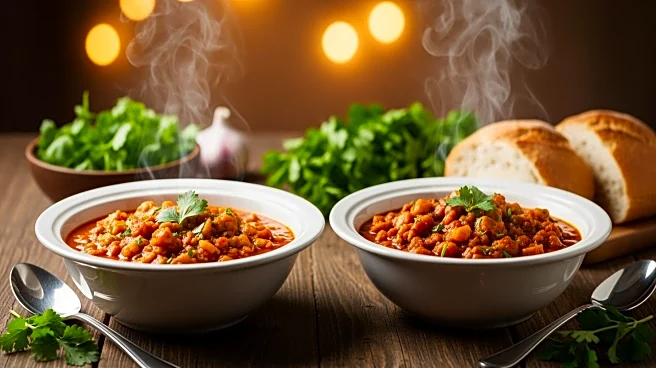

Stew is a dish that transcends cultural boundaries, with each region of the world offering its unique take on this comforting meal. From the spicy goulash of Hungary to the seafood-rich bouillabaisse of France,
stews reflect the diverse culinary traditions and local ingredients of their origins. This article explores the global variations of stew, highlighting the distinct flavors and techniques that define each version.
European Stews: A Taste of Tradition
Europe is home to a wide array of stews, each with its own distinct character. In Hungary, goulash is a beloved national dish, known for its rich, paprika-infused broth and tender chunks of beef. This hearty stew is often served with noodles or bread, making it a satisfying meal for cold winter days. Similarly, France offers bouillabaisse, a seafood stew originating from Marseille. This dish features a variety of fish and shellfish, cooked in a broth flavored with Provençal herbs and spices.
In England, beef stew with dumplings has been a traditional favorite since the 14th century. This dish combines tender beef with vegetables and fluffy dumplings, all simmered in a savory gravy. The use of dumplings adds a unique texture to the stew, making it a comforting and filling meal. These European stews showcase the region's rich culinary heritage and the importance of local ingredients in defining each dish.
Asian Stews: A Fusion of Flavors
Asian cuisine offers a diverse range of stews, each reflecting the region's unique flavors and cooking techniques. In Japan, fish stews have been enjoyed since ancient times, with ingredients varying according to the seasons. These stews are often cooked in large pots over an open flame, allowing the flavors to meld together beautifully. The use of seafood and seasonal vegetables highlights the Japanese emphasis on fresh, high-quality ingredients.
In Korea, stews such as kimchi jjigae and doenjang jjigae are popular comfort foods. Kimchi jjigae features fermented cabbage and pork, simmered in a spicy broth, while doenjang jjigae is made with fermented soybean paste and a variety of vegetables. These stews are known for their bold flavors and are often served with rice, making them a staple in Korean households.
The Versatility of Stew
The global variations of stew demonstrate the dish's versatility and adaptability. Whether made with meat, seafood, or vegetables, stews can be tailored to suit different tastes and dietary preferences. This flexibility has allowed stew to remain a popular choice for home cooks and chefs alike, who appreciate its ability to showcase local ingredients and flavors.
As we explore the diverse types of stew from around the world, we see a dish that is both universal and deeply personal. Each version tells a story of cultural heritage and culinary innovation, reflecting the unique tastes and traditions of its origin. Stew continues to be a beloved dish, offering warmth and comfort to those who enjoy its rich, flavorful embrace.