



Vitamin B3, also known as niacin, is a crucial nutrient that plays a significant role in maintaining human health. Found in various food sources, it is essential for energy metabolism and DNA repair. This article delves into the importance of Vitamin B3, its dietary sources, and its impact on human health.
Sources of Vitamin B3
Vitamin B3 is widely available in both animal and plant-based foods. It is predominantly found in meat, fish, and poultry, making these foods excellent
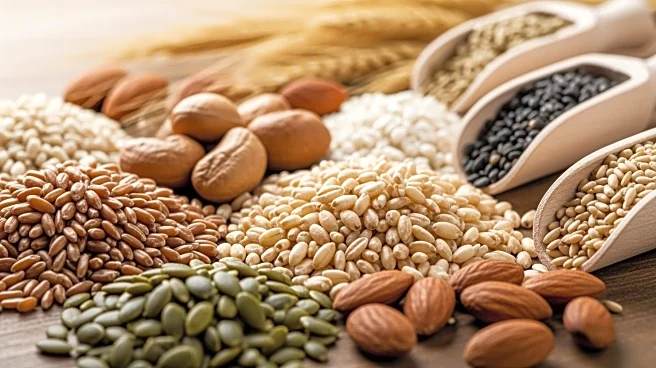
sources of niacin. For those who follow a vegetarian or vegan diet, plant-based sources such as nuts and legumes also provide this essential vitamin. Additionally, many foods are fortified with niacin to help ensure adequate intake across different dietary preferences.
The availability of Vitamin B3 in a variety of foods makes it relatively easy for most people to meet their daily requirements. However, individuals with specific dietary restrictions or those living in areas with limited food variety may need to pay closer attention to their niacin intake to prevent deficiencies.
The Importance of Niacin in Metabolism
Niacin plays a vital role in the body's metabolic processes. It is a key component in the conversion of food into energy, which is essential for maintaining overall health and vitality. This conversion process involves the breakdown of carbohydrates, fats, and proteins, with niacin acting as a coenzyme in these reactions.
Beyond its role in energy metabolism, niacin is also involved in the synthesis and repair of DNA. This function is crucial for cell growth and division, making Vitamin B3 an important nutrient for maintaining healthy tissues and organs. Without adequate niacin, the body's ability to repair DNA and produce energy efficiently can be compromised, leading to various health issues.
Health Implications of Niacin Deficiency
A deficiency in Vitamin B3 can lead to a condition known as pellagra, characterized by symptoms such as dermatitis, diarrhea, and dementia. Pellagra was once a common disease in areas where corn was a staple food, as corn is low in niacin and tryptophan, a precursor to niacin.
Today, pellagra is rare in developed countries due to the fortification of foods with niacin and the availability of diverse diets. However, it can still occur in individuals with poor dietary habits or those with conditions that affect nutrient absorption. Ensuring an adequate intake of Vitamin B3 is essential for preventing deficiency-related health problems and supporting overall well-being.
In conclusion, Vitamin B3 is a vital nutrient that supports energy metabolism and DNA repair. By consuming a balanced diet that includes niacin-rich foods, individuals can maintain optimal health and prevent deficiencies.