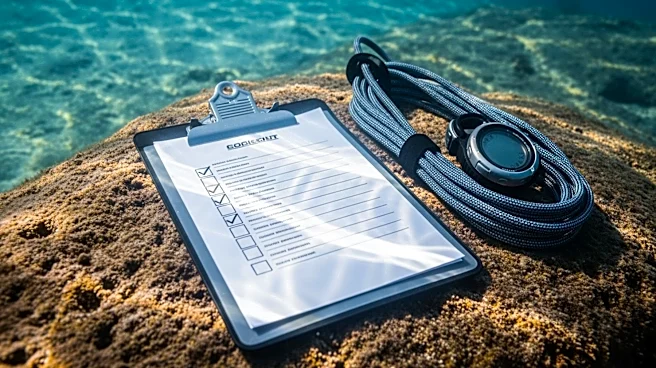








In the realm of professional diving, checklists play a crucial role in ensuring safety and reducing errors. These tools help divers prepare their equipment and verify that life support systems are fully operational before entering the water. This article examines the application of checklists in professional diving and their impact on safety.
Preparing for a Dive: The Importance of Checklists
Before a dive, professional divers rely on checklists to ensure that all necessary equipment is prepared and
functioning correctly. This includes verifying the condition of diving gear, checking air supply levels, and confirming the readiness of life support systems. By following a structured checklist, divers can systematically address each component, reducing the risk of overlooking critical steps.
Checklists are particularly valuable in high-pressure environments where attention to detail is paramount. They provide a clear sequence of actions, allowing divers to focus on each task without the distraction of remembering every detail. This systematic approach helps mitigate the potential for human error, ensuring that divers are fully prepared for the challenges of underwater exploration.
Enhancing Safety Through Structured Procedures
The use of checklists in professional diving is not limited to equipment preparation. They also serve as a tool for verifying safety protocols and ensuring that divers are aware of potential hazards. By cross-checking each item on the checklist, divers can confirm that all safety measures are in place before entering the water.
Studies have shown that checklists are effective at reducing the number of errors and incidents in diving operations. By providing a documented record of due diligence, checklists can also serve as evidence of compliance with safety standards. This is particularly important in professional settings where accountability and risk management are critical.
The Broader Impact on Diving Safety
The implementation of checklists in professional diving has had a significant impact on safety, reducing the incidence of accidents caused by human error. By providing a structured framework for preparation and verification, checklists help ensure that divers can navigate the complexities of underwater environments with confidence.
As diving technology continues to advance, the role of checklists in maintaining safety standards remains essential. By involving divers in the development of these tools, organizations can enhance acceptance and ensure that checklists are perceived as valuable aids rather than burdensome requirements. With continued refinement and adaptation, checklists have the potential to further enhance safety in professional diving operations.