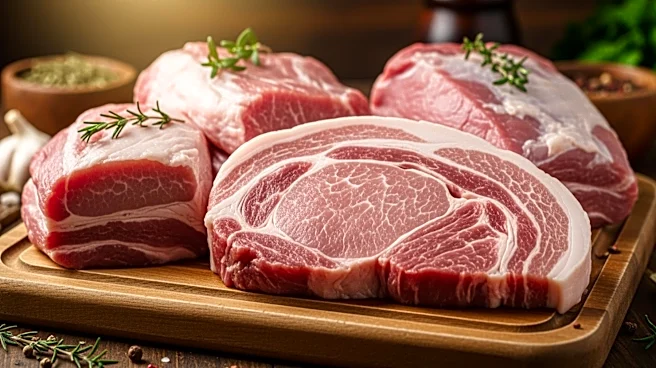






Pork, the culinary name for the meat of the pig, is one of the most widely consumed meats globally. Its popularity spans continents, with significant cultural and culinary importance in various regions. From the bustling streets of China to the heart of Central Europe, pork is a staple in many diets, celebrated for its versatility and flavor. This article delves into the global consumption patterns of pork and its cultural significance in different
parts of the world.
Pork in Western and Asian Cuisines
In the Western world, particularly in Central Europe, pork is a beloved meat, often featured in traditional dishes and festive meals. The meat's versatility allows it to be prepared in numerous ways, from roasting to curing, making it a favorite in many households. In countries like Germany and Austria, pork is a key ingredient in sausages and other charcuterie products, reflecting the region's rich culinary heritage.
Meanwhile, in East and Southeast Asia, pork holds a place of high esteem in local cuisines. In China, pork is not only a dietary staple but also a symbol of prosperity and abundance. Dishes like sweet and sour pork and red braised pork are iconic, showcasing the meat's ability to absorb flavors and provide a satisfying texture. The Philippines, influenced by centuries of Spanish colonization, celebrates pork through dishes like lechon, a whole roasted pig that is a centerpiece at festive gatherings.
Cultural and Religious Considerations
While pork is widely consumed, it is also subject to cultural and religious restrictions. In Islam and Judaism, the consumption of pork is prohibited, as outlined in religious texts. This prohibition has shaped dietary practices and food industries in regions where these religions are predominant. In Israel, for example, pig farming is limited by law, and pork products are primarily available in non-kosher markets.
Despite these restrictions, pork remains a significant part of the global meat industry. In countries with diverse populations, such as Malaysia and Indonesia, pork is available in areas catering to non-Muslim communities, highlighting the meat's adaptability to different cultural contexts.
Economic Impact and Consumption Trends
Pork is not only culturally significant but also economically impactful. China, the world's largest consumer of pork, accounts for more than half of global pork consumption. The country's economic growth and urbanization have driven an increase in pork demand, influencing global trade patterns. The United States, the European Union, and Canada are major exporters, supplying pork to meet the growing demand in Asia.
The economic importance of pork is further underscored by its role in international trade. As a commodity, pork is subject to market fluctuations and trade policies, affecting prices and availability worldwide. Despite these challenges, pork continues to be a vital part of the global food system, cherished for its flavor and versatility.