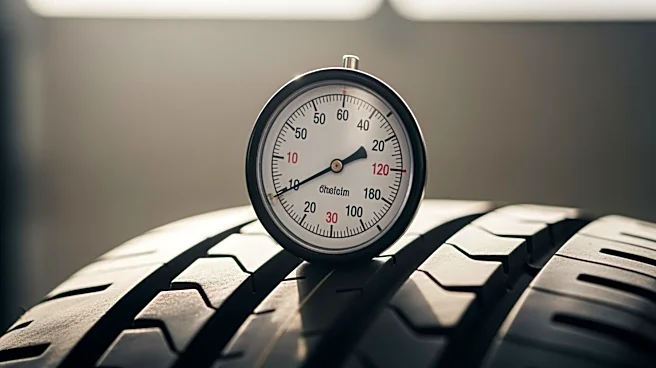





Cold inflation pressure is a critical aspect of tire maintenance, referring to the pressure of a tire measured before a vehicle is driven and the tires warmed up. Proper cold inflation pressure is essential for ensuring optimal tire performance, fuel economy, and safety. This article examines the concept of cold inflation pressure and its significance in maintaining tire health.
Understanding Cold Inflation Pressure
Cold inflation pressure is the gauge pressure of a tire when it is at ambient
temperature, before any heat from driving affects the pressure reading. Recommended cold inflation pressure is typically displayed in the vehicle owner's manual and on the Tire Information Placard attached to the vehicle door edge, pillar, glovebox door, or fuel filler flap.
Tire pressure is commonly measured in psi in the imperial and US customary systems, bar, or kilopascal (kPa). Maintaining the correct cold inflation pressure is crucial, as under-inflated tires can reduce fuel economy, decrease performance, and lead to overheating and premature failure. Conversely, over-inflated tires may cause discomfort, decreased performance, and increased wear on the center part of the tread surface.
Calculating Cold Inflation Pressure
Calculating the optimal cold inflation pressure involves considering factors such as tire size, vehicle load, and driving conditions. Several methods can be used to determine the correct pressure, including tables lookup, simple ratio calculation, power rule calculation, and stiffness model calculation.
These calculations return the optimal tire pressure for a single tire, but adjustments may be required to optimize handling. For example, raising the tire pressure in the rear of the vehicle can correct for understeer, while increasing pressure in the front can address oversteer. It is important to ensure tire pressures remain above the calculated cold inflation pressure and below the sidewall max cold inflation pressure.
Effects of Temperature and Altitude on Tire Pressure
Daily and seasonal temperature fluctuations can result in significant changes in tire pressure. Cold inflation pressure should be measured in the morning, as this is usually the coldest time of day, ensuring the tire meets or exceeds the required inflation pressure throughout the day.
Altitude changes also affect tire pressure, as atmospheric pressure decreases with elevation. As a vehicle descends from a high altitude location, the absolute pressure inside the tire remains the same, but the atmospheric pressure increases, causing the gauge pressure to decrease. Cold inflation pressure should be readjusted after any significant changes in altitude.
Understanding and maintaining proper cold inflation pressure is vital for tire health and performance, helping drivers achieve safe and efficient driving experiences.