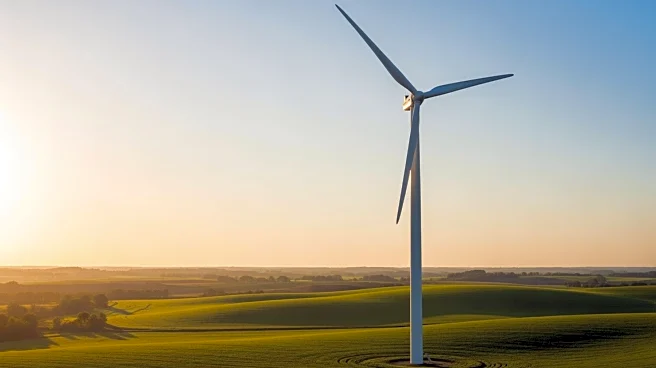




Wind energy has become a significant player in the renewable energy sector in the United States. As of 2022, it surpassed hydroelectric power to become the largest source of renewable electricity in the country. This shift marks a pivotal moment in the U.S. energy landscape, reflecting broader trends in energy production and consumption.
Wind Energy's Growth Trajectory
The growth of wind energy in the United States has been remarkable. From 2008 to 2016, the country's wind power
capacity tripled, and by 2022, wind energy accounted for over 10% of the nation's total electricity generation. This rapid expansion can be attributed to several factors, including technological advancements, increased investment, and supportive government policies.
The U.S. has some of the best wind resources in the world, with vast areas of land suitable for wind farms. Texas, Iowa, and Oklahoma are leading states in wind power deployment, benefiting from strong and consistent winds. The Alta Wind Energy Center in California, one of the largest wind farms in the country, exemplifies the scale and potential of wind energy projects.
Economic and Environmental Benefits
Wind energy offers numerous economic and environmental benefits. Economically, it has created tens of thousands of jobs across the country, particularly in rural areas where wind farms are often located. These projects provide a steady income stream to landowners and contribute to local tax bases, revitalizing local economies.
Environmentally, wind energy is a clean and sustainable power source. It produces no greenhouse gas emissions during operation, helping to reduce the carbon footprint of the electricity sector. Additionally, wind turbines require minimal water for operation, unlike traditional power plants, making them an attractive option in water-scarce regions.
Challenges and Future Prospects
Despite its growth, wind energy faces several challenges. One of the primary issues is the need for additional transmission infrastructure to transport electricity from wind-rich areas to population centers. There are also concerns about the impact of wind farms on wildlife and local ecosystems, which require careful planning and mitigation strategies.
Looking ahead, the future of wind energy in the United States appears promising. With continued technological advancements and supportive policies, wind power is expected to play a crucial role in the country's transition to a more sustainable energy system. The U.S. Department of Energy envisions wind energy supplying 20% of the nation's electricity by 2030, highlighting its potential to further transform the energy landscape.