
Photoaging is a term used to describe the changes in skin caused by chronic exposure to ultraviolet (UV) radiation. This type of aging is distinct from intrinsic aging, as it is primarily driven by external
environmental factors. In this article, we explore the effects of photoaging on skin health, including its role in the development of skin cancer and other skin conditions.
UV Radiation and Skin Damage
UV radiation is a major contributor to photoaging, affecting both the epidermal and dermal layers of the skin. UVB rays primarily penetrate the epidermis, causing DNA mutations that can lead to skin cancer. These mutations result from chemical changes within skin cells, which may manifest as wrinkles and other signs of aging. Additionally, UVB exposure can cause the formation of freckles and dark spots, particularly in individuals with fair skin.
UVA rays penetrate deeper into the skin, reaching the dermal layer where they damage collagen and elastin fibers. This damage leads to a reduction in the dermis's structural support, causing the skin to sag and wrinkle. UVA exposure also results in the dilation of blood vessels, which can become visible on the skin's surface. The generation of reactive oxygen species (ROS) during UVA exposure further contributes to cellular damage, affecting DNA, lipids, and proteins.
Photoaging and Skin Cancer Risk
One of the most concerning aspects of photoaging is its association with an increased risk of skin cancer. Chronic UV exposure can lead to the development of precancerous lesions and cutaneous malignancies. The damage to DNA caused by UV rays triggers changes in cytokine expression, leading to local and systemic immunosuppression. This immunosuppression can impair the body's ability to surveil and eliminate cancerous cells, increasing the likelihood of tumor development.
The depletion of Langerhans cells, which play a crucial role in immune response, further exacerbates the risk of skin cancer. As these cells undergo changes in quantity and function due to UV exposure, the skin becomes more vulnerable to neoplastic changes. Understanding the link between photoaging and skin cancer is essential for developing preventive measures and treatment strategies.
Preventing and Treating Photoaging
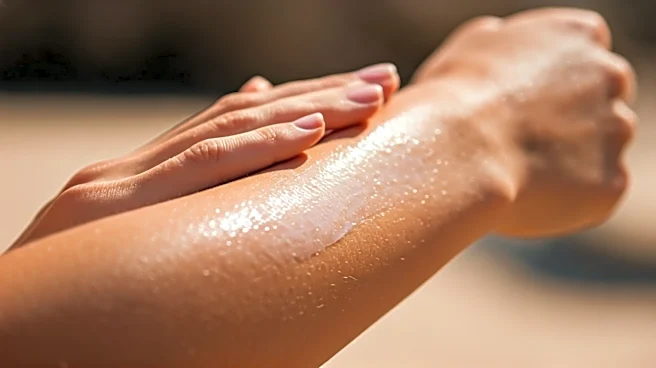
Preventing photoaging involves minimizing exposure to UV radiation through protective measures such as sunscreen application and wearing sun-protective clothing. Broad-spectrum sunscreens that protect against both UVA and UVB rays are particularly effective in reducing the risk of photoaging. Consistent reapplication of sunscreen, especially after swimming or sweating, is crucial for maintaining protection.
Treatment options for photoaging include topical retinoids, antioxidants, and other interventions that target the effects of UV damage. Retinoids, such as tretinoin, are widely used to improve skin texture and reduce the appearance of wrinkles. These treatments work by increasing collagen production and thickening the epidermis, counteracting the effects of photoaging.
By understanding the impact of photoaging on skin health, individuals can take proactive steps to protect their skin and reduce the risk of skin cancer and other related conditions.