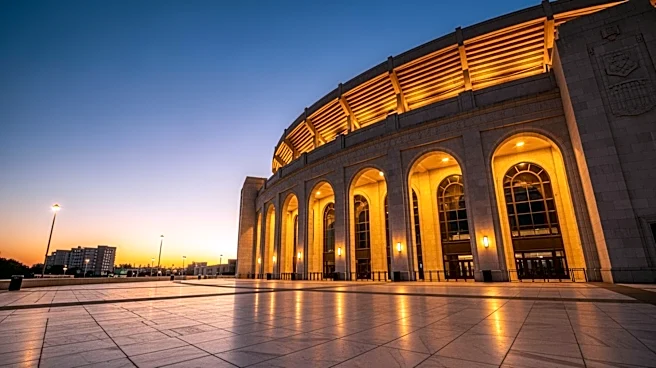



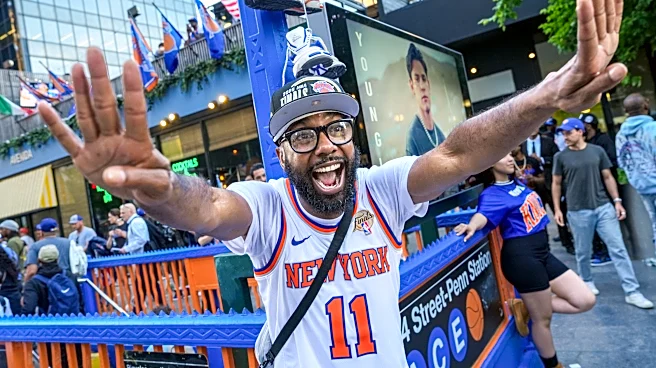


Madison Square Garden, known for its iconic status in New York City, has a rich history that spans over a century. This timeline explores the evolution of MSG through its four different arenas, each contributing to its legacy as a premier venue for sports and entertainment. From its beginnings as an open-air arena to its current state-of-the-art facility, Madison Square Garden has continually adapted to meet the needs of its audience.
The Early Years: 1879 to 1925
The first Madison
Square Garden was constructed in 1879 at East 26th Street and Madison Avenue, known as Madison Square. This open-air arena was a groundbreaking development for its time, providing a space for various events in the bustling city of New York. However, the need for a more versatile venue led to the construction of an indoor arena at the same site in 1890.
The second MSG continued to serve the city until 1925, when the third iteration was built on Eighth Avenue between 49th and 50th Streets. This new location marked a significant shift, as it positioned MSG closer to the heart of Manhattan, making it more accessible to the city's growing population.
Modernization and Expansion: 1968 to Present
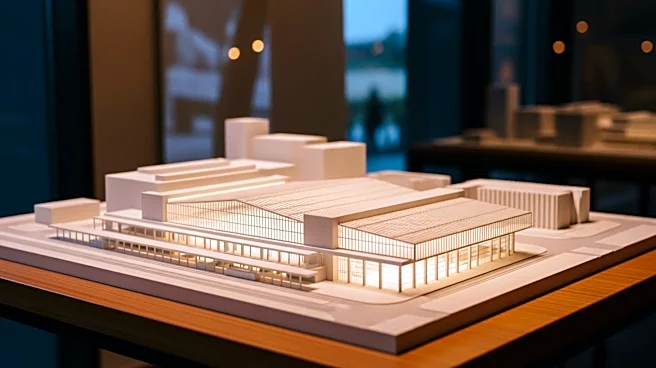
The current Madison Square Garden opened in 1968 at 4 Penn Plaza, near the intersection of 8th Avenue and 33rd Street. This modern facility was designed to accommodate a wide range of events, from sports to concerts, reflecting the diverse interests of New Yorkers. The strategic location ensured easy access for attendees, further solidifying MSG's status as a central hub for entertainment.
Over the years, MSG has undergone various renovations to enhance its capabilities and maintain its reputation as a top-tier venue. These updates have included technological advancements and improvements to seating arrangements, ensuring that MSG remains at the forefront of the entertainment industry.
Legacy and Influence
Madison Square Garden's historical journey is a testament to its adaptability and enduring appeal. Each iteration of MSG has contributed to its legacy, with the current arena continuing to uphold its reputation as a premier venue. The Garden's ability to host a wide range of events, from sports to concerts, makes it a microcosm of New York City's diverse cultural offerings.
As a landmark, MSG represents the intersection of sports, entertainment, and culture, embodying the essence of New York City itself. Its historical timeline reflects the city's dynamic spirit and the ever-evolving nature of its cultural landscape.