







Proteins are remarkable biomolecules with complex structures that enable them to perform a wide array of functions within living organisms. Their structure is not only intricate but also crucial in determining their specific roles in biological processes. Understanding the levels of protein structure provides insight into how these molecules function at a molecular level.
Primary and Secondary Structures
The primary structure of a protein is its sequence of amino acids, linked together
by peptide bonds to form a polypeptide chain. This sequence is determined by the genetic code and is unique to each protein. The order of amino acids in the primary structure dictates how the protein will fold and function.
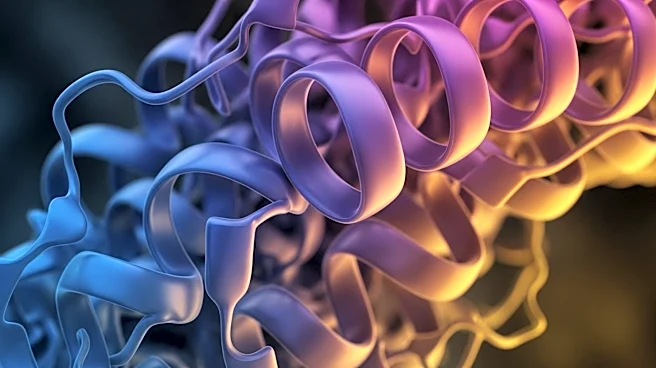
Secondary structures are local sub-structures within the polypeptide chain, stabilized by hydrogen bonds. The most common types of secondary structures are the alpha helix and beta sheet. These structures are regular and repetitive, providing stability and contributing to the overall shape of the protein. The formation of these structures is a critical step in the folding process, as they lay the groundwork for the protein's final shape.
Tertiary and Quaternary Structures
The tertiary structure of a protein refers to its overall three-dimensional shape, formed by the folding of secondary structures into a compact globular form. This folding is driven by various interactions, including hydrophobic interactions, hydrogen bonds, and disulfide bridges. The tertiary structure is essential for the protein's functionality, as it determines the location of active sites and binding pockets.
Some proteins also have a quaternary structure, which involves the assembly of multiple polypeptide chains into a single functional unit. These multi-subunit complexes are stabilized by the same types of interactions found in tertiary structures. Hemoglobin is a classic example of a protein with quaternary structure, consisting of four subunits that work together to transport oxygen in the blood.
Protein Dynamics and Function
Proteins are not static entities; they undergo conformational changes that are often critical for their function. These changes can be induced by the binding of substrates or other molecules, allowing proteins to participate in complex signaling networks and enzymatic reactions. The ability of proteins to change shape and interact with other molecules is fundamental to their role as biological catalysts and regulators.
The study of protein structure is a dynamic field, with techniques like X-ray crystallography and NMR spectroscopy providing detailed insights into protein architecture. By understanding the structure of proteins, scientists can better comprehend how these molecules carry out their diverse functions and how alterations in structure can lead to disease.