


Hair conditioners are a crucial part of many people's hair care routines, but what makes them so effective? This article explores the scientific principles and ingredients that allow conditioners to improve the feel, texture, and manageability of hair.
The Role of pH in Hair Conditioning
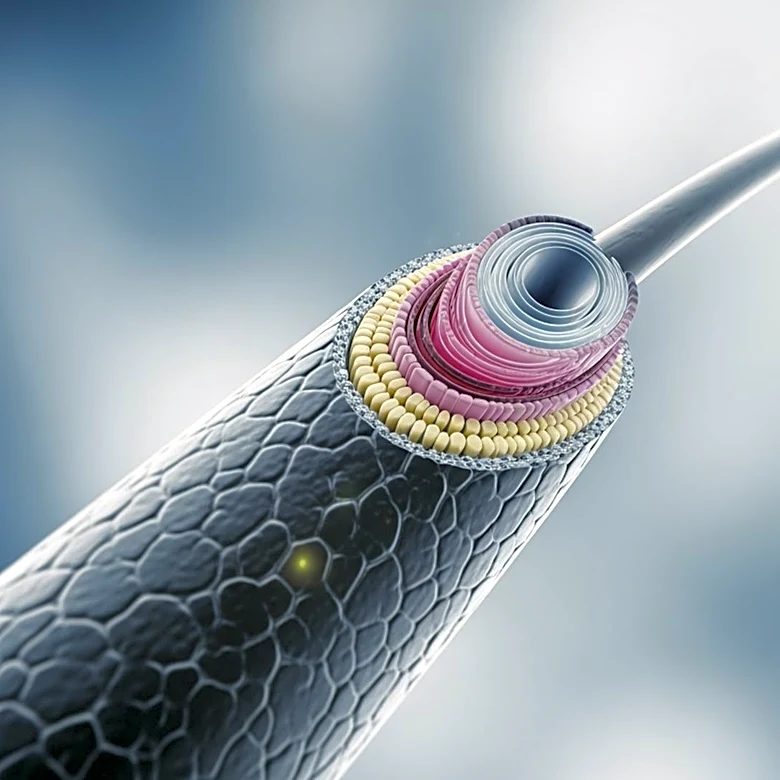
One of the key scientific principles behind hair conditioners is their acidity. Conditioners are frequently acidic, which helps to protonate the amino acids in keratin, the protein that makes up hair.
This protonation process gives the hair a positive charge, creating more hydrogen bonds among the keratin scales. As a result, the hair structure becomes more compact, leading to smoother and more manageable hair.
Organic acids, such as citric acid, are commonly used in conditioners to maintain this acidity. By ensuring the right pH balance, conditioners help to close the hair cuticle, reducing frizz and enhancing shine. This scientific approach to hair care is a testament to the advancements in cosmetic chemistry that have made modern conditioners so effective.
Key Ingredients in Hair Conditioners
Hair conditioners contain a variety of ingredients that contribute to their effectiveness. Silicone, fatty alcohols, quaternary ammonium compounds, and polymers are some of the most common components. These ingredients work together to provide the benefits of conditioning without leaving the hair feeling greasy or heavy.
Silicone, for example, forms a protective layer around each hair strand, reducing friction and enhancing shine. Fatty alcohols, such as cetyl and stearyl alcohol, help to smooth the hair cuticle and provide moisture. Quaternary ammonium compounds, known for their conditioning properties, help to detangle hair and reduce static. Polymers, on the other hand, can add volume and hold to the hair, making them a versatile addition to many conditioner formulations.
The Impact of Conditioners on Hair Health
Beyond improving the appearance and feel of hair, conditioners also play a role in maintaining hair health. By reducing friction and preventing damage during brushing and styling, conditioners help to protect the hair shaft from breakage. This is particularly important for individuals with long or chemically treated hair, which can be more prone to damage.
Conditioners also contribute to overall hair health by providing essential moisture and nutrients. Many formulations include vitamins and proteins that strengthen the hair and promote growth. By incorporating these beneficial ingredients, conditioners support the long-term health and vitality of hair, making them an indispensable part of any hair care routine.