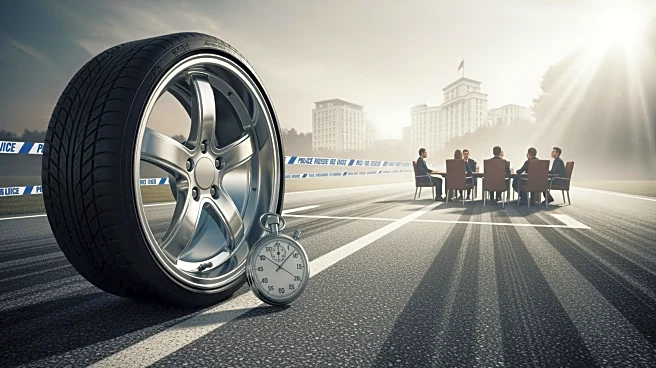

Drag racing, a thrilling form of motor racing, has evolved significantly over the years. Initially, it was an illegal street activity, but it has transformed into a regulated motorsport with dedicated
tracks and organizations. This article explores the journey of drag racing from its early days to its current status as a popular competitive sport.
The Origins of Drag Racing
Drag racing began in the 1940s, with World War II veterans playing a significant role in its early development. These veterans often used decommissioned aircraft bases for racing, taking advantage of the long landing strips. The sport was informal and unregulated, with participants racing their automobiles or motorcycles to see who could cross the finish line first.
In 1951, Wally Parks founded the National Hot Rod Association (NHRA), which marked a turning point for drag racing. The NHRA aimed to organize and regulate the sport, providing a safer environment for racers and spectators alike. This organization helped drag racing gain legitimacy and popularity, moving it away from its illegal street racing roots.
The Growth of Drag Racing Organizations
Over the decades, several other organizations emerged to support and promote drag racing. The Professional Drag Racers Association (PDRA), founded in 2014, is one such organization that focuses on 1/8 mile races. These organizations have contributed to the sport's growth, offering structured competitions and fostering a sense of community among racers.
The NHRA's influence has been significant, with its events drawing large crowds and media attention. The introduction of electronic timing and speed sensing systems in the 1960s further enhanced the sport's credibility, allowing for precise measurement of race results. This technological advancement helped drag racing become more competitive and appealing to a broader audience.
Modern Drag Racing: A Regulated Motorsport
Today, drag racing is a well-regulated sport with various classes and categories. The NHRA oversees most events in North America, ensuring that races are conducted safely and fairly. The sport has evolved to include different distances, such as the standard 1/4 mile and the increasingly popular 1,000-foot races.
Drag racing has also seen a resurgence in popularity, partly due to media exposure from shows like Discovery's Street Outlaws. This renewed interest has brought new fans to the sport, further solidifying its place in the motorsport world.
In conclusion, drag racing has come a long way from its origins as an illegal street activity. Through the efforts of organizations like the NHRA and PDRA, it has become a respected and regulated motorsport, attracting enthusiasts from around the globe.