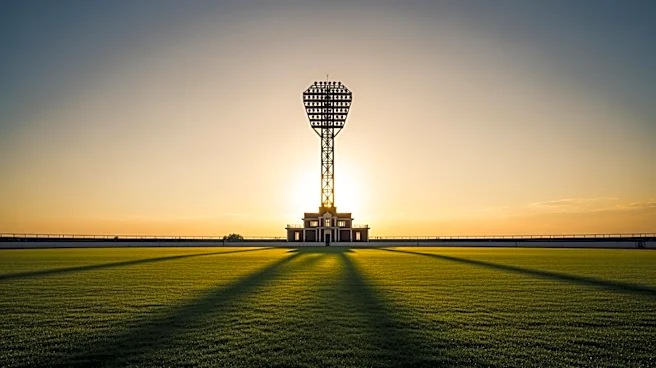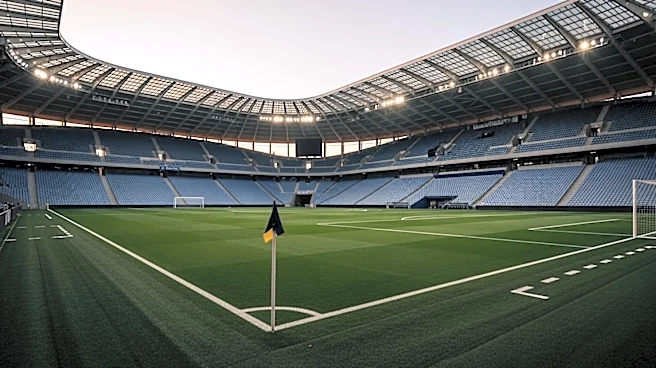

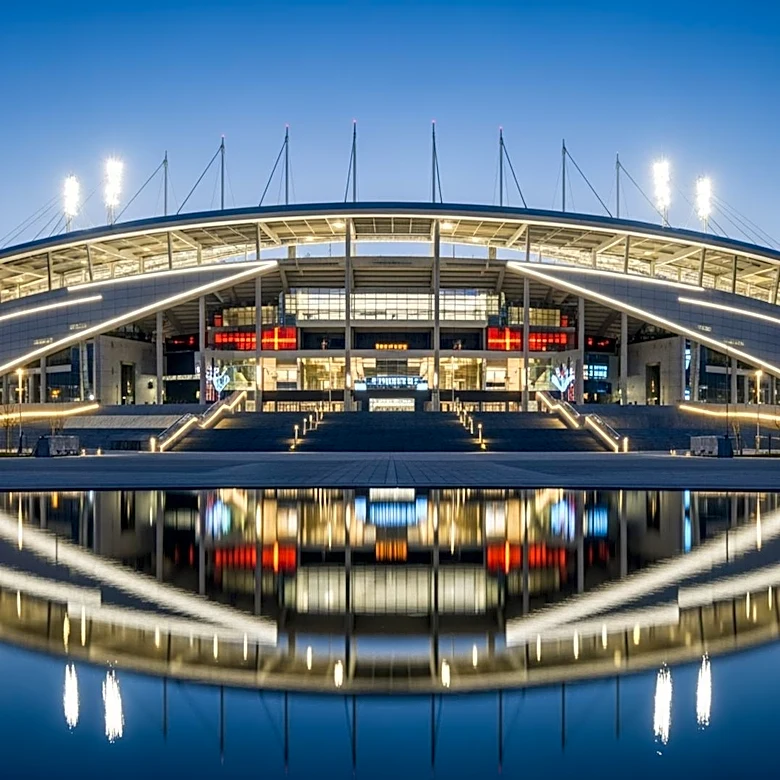
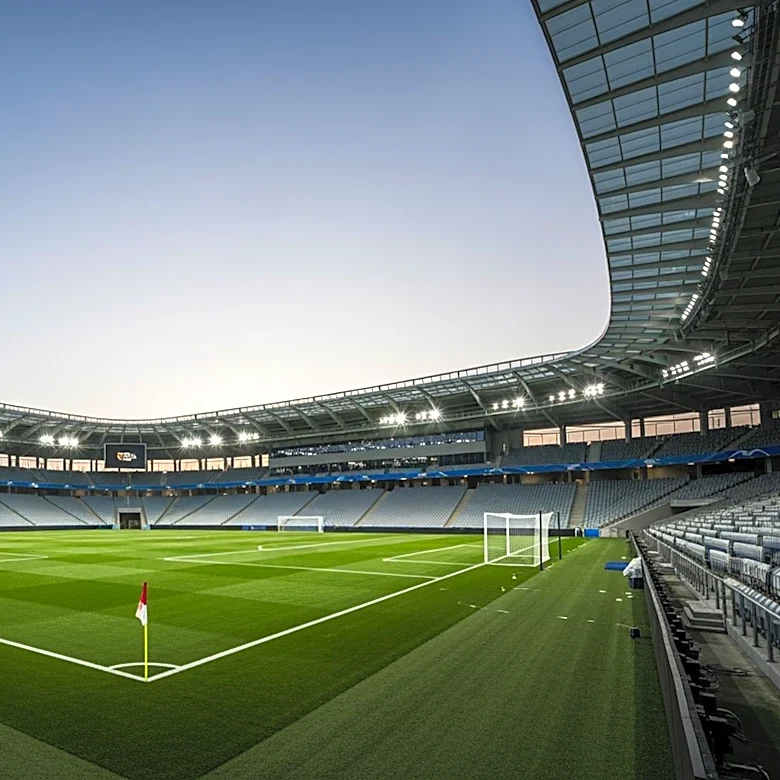




The 1982 FIFA World Cup match between West Germany and Austria, held at El Molinón stadium in Gijón, Spain, is infamous for its controversial nature. Known as the Disgrace of Gijón, this match saw West Germany win 1-0, a result that allowed both teams to advance to the next round while eliminating Algeria. The match has been criticized for the apparent lack of competitive spirit, leading to widespread condemnation and changes in World Cup regulations.
The Match and Its Outcome
On June 25, 1982, West Germany faced Austria in a match that would determine which teams advanced from Group 2. Algeria, having played their final group match a day earlier, needed a specific outcome to advance. A West German win by fewer than three goals would see both West Germany and Austria progress, while any other result would eliminate one of the two. After West Germany scored early, the match saw little effort from either side to change the scoreline, leading to accusations of collusion.
The match was played in front of 41,000 spectators, many of whom were unhappy with the lack of competitive play. Chants of "Out, out!" and "Algeria, Algeria!" echoed through the stadium as fans expressed their discontent. Despite the uproar, FIFA ruled that no rules had been broken, allowing the result to stand.
Reactions and Consequences
The reaction to the match was overwhelmingly negative. Commentators from both Germany and Austria criticized the lack of effort, with some urging viewers to turn off their televisions. The local newspaper even reported the match in its crime section. Algerian fans were particularly vocal, waving banknotes at the players to suggest bribery.
In response to the controversy, FIFA changed the format of future World Cup tournaments. From 1986 onward, the final group matches were scheduled to be played simultaneously, reducing the potential for teams to manipulate outcomes based on prior results. This change aimed to preserve the integrity of the competition and ensure fair play.
Legacy of the Disgrace of Gijón
The Disgrace of Gijón remains a significant moment in World Cup history, often cited as an example of unsportsmanlike conduct. It highlighted the need for reforms in tournament scheduling and has been referenced in discussions about fair play in sports.
While the match itself was marred by controversy, it ultimately led to positive changes in the way World Cup matches are organized. The incident serves as a reminder of the importance of maintaining the spirit of competition and fairness in international sports.