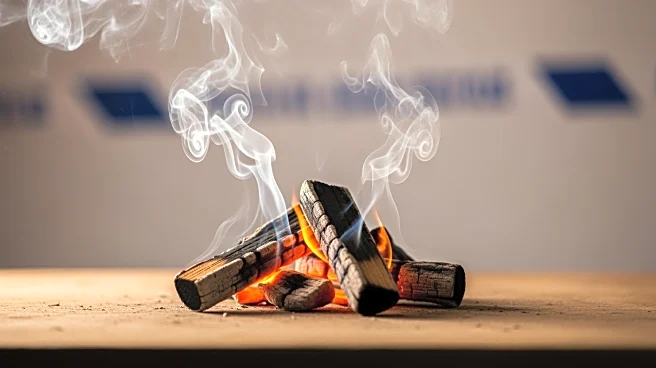




Smoking is not just an art; it is also a science that involves complex chemical reactions. The process of smoking food relies on the interaction between wood smoke and the food being smoked. This interaction results in the development of unique flavors, aromas, and textures that are characteristic of smoked foods. Understanding the science behind smoking can enhance the culinary experience and lead to more precise and flavorful results.
The Chemistry of Wood Smoke
Wood smoke
is composed of a variety of chemical compounds that contribute to the flavor and preservation of smoked foods. Hardwoods, which are commonly used for smoking, consist mainly of cellulose, hemicellulose, and lignin. When these components are burned, they produce a range of aromatic compounds, including carbonyls, phenols, and acids.
Carbonyls are responsible for the sweet, flowery, and fruity aromas in smoked foods. Phenolic compounds, such as guaiacol and syringol, are key contributors to the smoky taste and aroma. These compounds also have antioxidant and antimicrobial properties, which help to preserve the food by slowing the rancidification of fats and inhibiting bacterial growth.
The Role of Temperature and Oxygen
The temperature at which wood burns plays a crucial role in the smoking process. Optimal smoke flavor is achieved at low, smoldering temperatures between 570 and 750 °F. At these temperatures, the flavor molecules are preserved, and the smoke imparts a rich, complex flavor to the food.
Controlling the oxygen supply is also important in maintaining the desired combustion temperature. Woods high in lignin content tend to burn hot, so restricting oxygen or using wood with a higher moisture content can help keep the wood smoldering. This ensures that the smoke produced is flavorful and not harsh or bitter.
The Impact on Food
The interaction between wood smoke and food results in the development of a pellicle, a tacky surface that allows smoke to adhere better. This is particularly important in hot smoking, where the food is cooked and flavored simultaneously. The smoke penetrates the food, imparting its distinctive flavor and aroma.
In addition to flavor, smoking also affects the texture and appearance of food. The Maillard reaction, a chemical reaction between amino acids and reducing sugars, occurs during smoking and contributes to the browning and flavor development of the food. This reaction enhances the visual appeal and taste of smoked foods, making them a favorite among culinary enthusiasts.
By understanding the science behind smoking, cooks can better control the process and create dishes that are both flavorful and visually appealing. The combination of art and science in smoking continues to captivate and inspire chefs and home cooks alike.