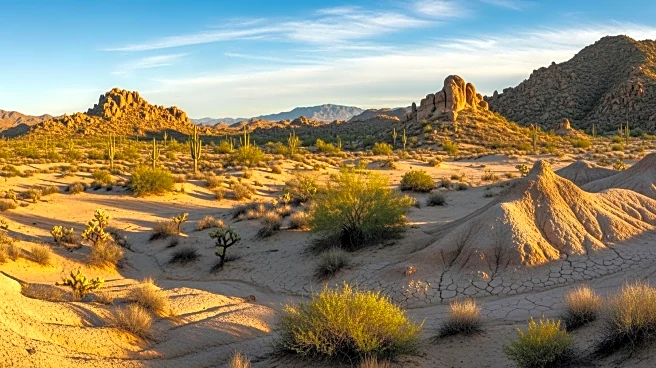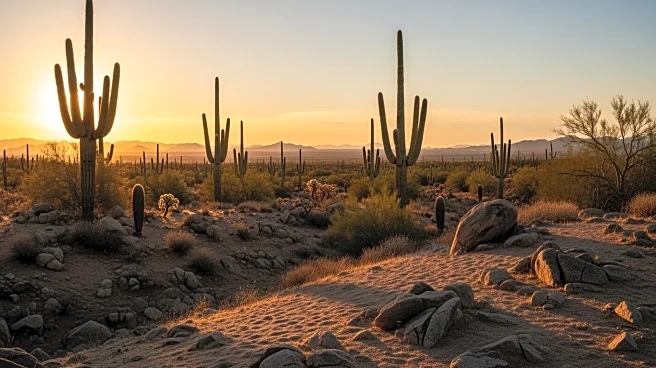




The Sonoran Desert, spanning parts of Arizona, California, and northwestern Mexico, is a region rich in cultural and historical significance. Known for its unique flora and fauna, the desert has been home to various indigenous peoples for centuries, each contributing to the area's rich tapestry of traditions and history. From the ancient Hohokam to the modern-day Tohono O'odham, the Sonoran Desert has played a pivotal role in shaping the cultural identity
of the region.
Indigenous Peoples and Traditions
The Sonoran Desert has been inhabited by indigenous peoples for thousands of years, with evidence of human existence dating back over 10,000 years. The desert's harsh environment has shaped the cultures and traditions of its inhabitants, who have developed unique ways to thrive in this arid landscape. The Tohono O'odham, Yaqui, and Seri are among the prominent tribes that call the Sonoran Desert home.
These indigenous groups have a deep connection to the land, with traditions and rituals that reflect their relationship with the desert's natural resources. The Tohono O'odham, for example, hold ceremonies to encourage rainfall during the summer monsoon season, while the Yaqui celebrate Holy Week with elaborate rituals. The Seri, known for their intricate ironwood carvings, have a spiritual connection to the sea and its creatures.
Historical Development and Influence
The Sonoran Desert has been a crossroads of cultures and civilizations throughout history. Spanish explorers and missionaries arrived in the region in the 16th century, establishing missions and settlements that would shape the area's development. The Jesuit missionary Eusebio Kino played a significant role in the region's history, founding missions and introducing European farming techniques to the indigenous peoples.
The desert's strategic location has also made it a focal point for trade and commerce. The development of transportation routes, such as Federal Highway 15, has facilitated the movement of goods and people, connecting the desert to the broader economic landscape of North America. The Sonoran Desert's rich mineral resources have attracted mining interests, further contributing to its historical significance.
Modern-Day Challenges and Conservation
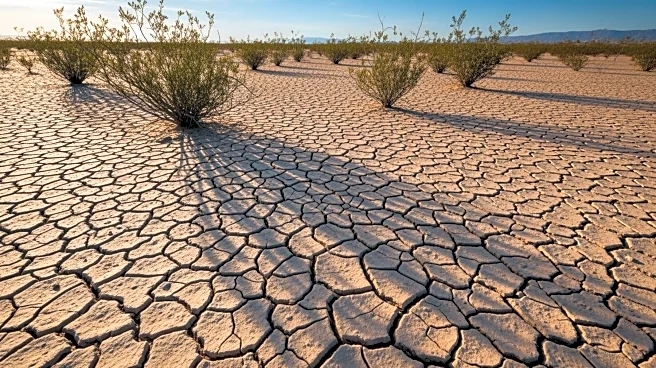
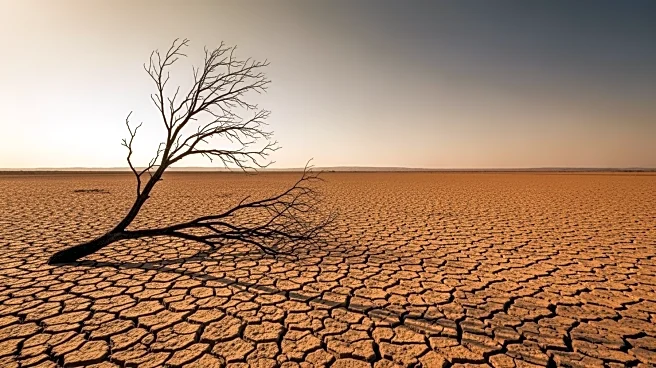
Today, the Sonoran Desert faces numerous challenges, including habitat loss, climate change, and desertification. Human activities, such as agriculture and overgrazing, have contributed to land degradation, threatening the delicate balance of the desert's ecosystems. Conservation efforts are crucial for preserving the cultural and natural heritage of the Sonoran Desert.
Organizations and governments are working to protect the desert's unique flora and fauna, as well as the cultural traditions of its indigenous peoples. Initiatives such as the establishment of protected areas and the promotion of sustainable practices aim to ensure the survival of the Sonoran Desert for future generations. Understanding the cultural and historical significance of the desert is essential for fostering appreciation and support for its conservation.