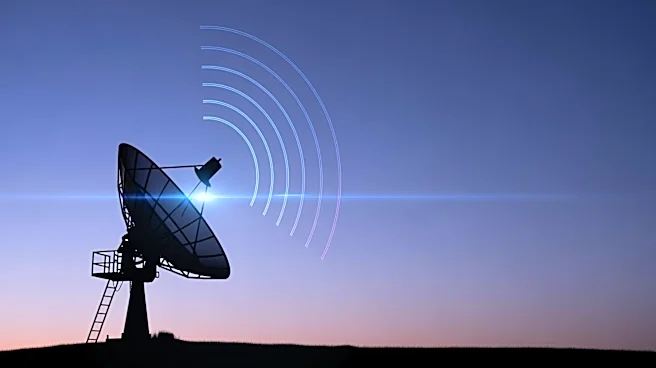

On April 27, 1986, a significant event unfolded in the world of satellite broadcasting that would lead to lasting changes in security and legislation. Known as the Captain Midnight broadcast signal intrusion,
this incident involved John R. MacDougall, an electrical engineer, who interrupted HBO's satellite signal to protest against high subscription rates. This act of defiance not only caught the attention of the public but also prompted a reevaluation of satellite security measures and led to new legislative actions.
The Incident and Its Immediate Aftermath
The intrusion occurred during a broadcast of the film "The Falcon and the Snowman" on HBO. MacDougall, using the pseudonym "Captain Midnight," managed to override the satellite signal for 4.5 minutes, displaying a message protesting HBO's subscription fees. This message was seen by more than half of HBO's 14.6 million subscribers at the time, primarily in the eastern United States. The incident was a bold statement against what MacDougall perceived as unfair pricing for satellite dish owners.
The immediate aftermath of the intrusion saw a flurry of activity from both HBO and federal authorities. HBO's technician attempted to regain control of the signal by increasing the uplink power, but this was abandoned due to the risk of damaging the satellite. The Federal Communications Commission (FCC), with assistance from the FBI, launched an investigation to identify the perpetrator. MacDougall eventually surrendered and was fined $5,000, placed on one year of unsupervised probation, and had his amateur radio license suspended for a year.
Legislative and Technological Responses
The Captain Midnight incident highlighted vulnerabilities in satellite broadcasting and led to significant legislative and technological responses. In the wake of the intrusion, the United States Congress passed the Electronic Communications Privacy Act of 1986, which made satellite hijacking a felony. This legislation underscored the seriousness with which the government viewed such breaches of communication security.
Additionally, the incident spurred the development of the Automatic Transmitter Identification System (ATIS). This system was designed to help quickly identify unauthorized uplink transmissions, thereby preventing similar incidents in the future. The implementation of ATIS marked a crucial step in enhancing the security of satellite communications.
Long-term Impact on the Industry
The Captain Midnight broadcast signal intrusion had a lasting impact on the satellite broadcasting industry. It served as a wake-up call, prompting companies to reassess their security measures and invest in technologies to prevent unauthorized access. While the incident did not lead to immediate changes in HBO's pricing policies, it did raise awareness about the challenges faced by satellite dish owners and the broader implications of signal security.
In conclusion, the Captain Midnight incident was more than just a protest against subscription fees; it was a catalyst for change in satellite security and legislation. It demonstrated the potential vulnerabilities in communication systems and led to significant advancements in protecting these vital networks.