






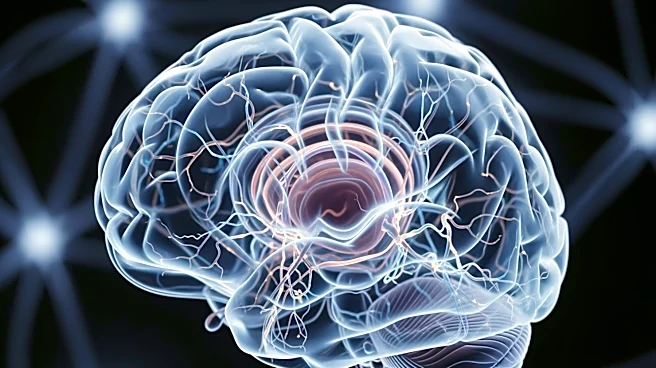
Affect in psychology is a fundamental concept that refers to the underlying experience of feeling, emotion, attachment, or mood. It encompasses a wide range of emotional states, both positive and negative, and plays a central role in human experience. This article explores the components of affect, its significance in psychological studies, and how it influences cognitive processes.
Components of Affect
Affect can be understood as a combination of three components: emotion,
mood, and affectivity. Emotion refers to intense feelings that are typically tied to specific events. These emotions can be positive, such as happiness and excitement, or negative, like sadness and anger. Mood, on the other hand, is an enduring, less intense emotional state that is not necessarily linked to a particular event. It can last for hours or even days, influencing how individuals perceive and interact with the world around them.
Affectivity is an individual's overall disposition or temperament, which can be characterized as having a generally positive or negative affect. This component reflects a person's typical emotional state and can influence their reactions to various situations. Together, these components form the basis of affect, providing a framework for understanding how emotions and moods shape human behavior and cognition.
The Role of Affect in Psychology
Affect is a crucial aspect of many psychological theories and studies. It is often used interchangeably with related terms such as emotion, feeling, and mood, though each term may have slightly different nuances. Researchers and psychologists may employ specific terms based on their focus and the context of their work. The study of affect helps psychologists understand how emotions and moods influence behavior, decision-making, and interpersonal relationships.
One of the most commonly used measures in scholarly research is the Positive and Negative Affect Schedule (PANAS). This tool helps researchers assess the positive and negative dimensions of affect across different cultures. The PANAS consists of 20 single-word items that describe various emotional states, allowing researchers to evaluate the affective experiences of individuals in a structured manner.
Influence of Affect on Cognitive Processes
Affect has a significant impact on cognitive processes, including judgment, thought, and memory. It can influence how individuals perceive and interpret information, affecting their decision-making and problem-solving abilities. For example, positive affect is often associated with increased creativity and openness to new experiences, while negative affect can lead to more cautious and analytical thinking.
The relationship between affect and cognition is complex, with some researchers suggesting that affective reactions can occur without extensive cognitive processing. This idea challenges traditional views that emotions are always the result of cognitive appraisal. Understanding the interplay between affect and cognition is essential for developing a comprehensive understanding of human behavior and mental processes.
In conclusion, affect is a vital component of psychological study, providing insights into the emotional and cognitive aspects of human experience. By exploring the components and influences of affect, psychologists can better understand how emotions and moods shape behavior and decision-making.