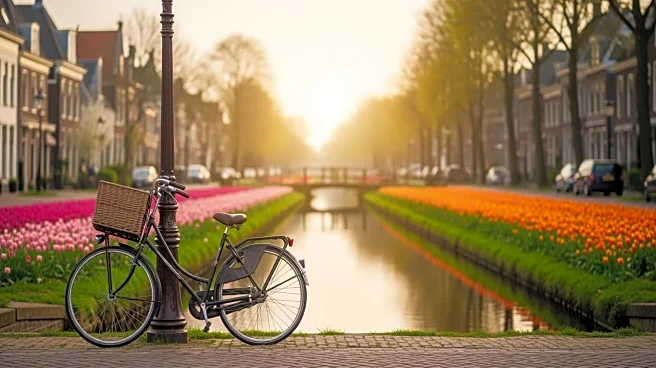




Cycling is an integral part of daily life in the Netherlands, with a significant portion of the population relying on bicycles as their primary mode of transport. The country's flat terrain, extensive cycling infrastructure, and cultural acceptance of cycling contribute to its popularity. This article explores the cycling culture in the Netherlands, highlighting its impact on transportation and urban planning.
Cycling as a Primary Mode of Transport
In the Netherlands, cycling is the second-most
common mode of transport, with 36% of Dutch people using bicycles as their most frequent way of getting around. This is in contrast to 45% who primarily use cars and 11% who rely on public transport. The high frequency of bicycle travel is facilitated by the country's excellent cycling infrastructure, which includes cycle paths, cycle tracks, and protected intersections.
The modal share of cycling in the Netherlands is 27% of all trips nationwide, with even higher percentages in cities like Amsterdam and Zwolle, where cycling accounts for 38% and 46% of trips, respectively. This widespread use of bicycles is supported by policies that prioritize cycling routes, making them shorter and more direct than car routes, thereby encouraging more people to choose cycling over driving.
Infrastructure and Urban Planning
The Netherlands boasts an extensive network of cycling infrastructure that makes it easy and safe for people to travel by bike. This includes over 35,000 kilometers of cycle paths that are physically separated from motor traffic, ensuring the safety of cyclists. In urban areas, cycling routes are often more direct than those for cars, allowing cyclists to reach their destinations more quickly.
Urban planning in the Netherlands often incorporates cycling as a key component, with cities designed to accommodate and encourage bicycle use. This includes ample bicycle parking facilities, protected intersections, and traffic signals specifically for cyclists. The focus on cycling-friendly infrastructure not only promotes health and environmental benefits but also reduces traffic congestion and pollution.
Cultural and Social Impact
Cycling is deeply ingrained in Dutch culture, with people of all ages and backgrounds using bicycles for daily commutes, errands, and leisure activities. The country's cycling culture is supported by a social acceptance of bicycles as a legitimate and respected mode of transport. This cultural norm is reflected in the design of public spaces, where bicycles are given priority and integrated into the fabric of urban life.
The popularity of cycling in the Netherlands also has social implications, fostering a sense of community and accessibility. Bicycles are affordable and accessible to most people, making them an inclusive mode of transport that bridges social and economic divides. The emphasis on cycling contributes to the Netherlands' reputation as a progressive and environmentally conscious nation.
In summary, cycling is a cornerstone of transportation in the Netherlands, supported by extensive infrastructure and cultural acceptance. Its impact on urban planning and social dynamics highlights the country's commitment to sustainable and inclusive mobility solutions.