










The New York City Transit Authority (NYCTA), a cornerstone of public transportation in New York City, was established in 1953. This pivotal moment marked the beginning of a new era in managing the city's complex transit systems. The NYCTA was created to oversee the operation of subways, buses, and other transit services, aiming to streamline and improve the efficiency of public transportation in the bustling metropolis. This article delves into the historical
development of the NYCTA, highlighting key milestones and changes that have shaped its evolution.
The Birth of the NYCTA
The formation of the NYCTA was a response to the growing need for a more organized and efficient public transportation system in New York City. Before its establishment, the city's transit operations were managed by the New York City Board of Transportation. However, the Board faced numerous challenges, including financial deficits and political influences that hindered its effectiveness. In March 1953, the New York State Legislature created the NYCTA as a public authority, modeled after successful entities like the Port Authority of New York and New Jersey.
The transition from the Board of Transportation to the NYCTA was completed on June 15, 1953. This change aimed to remove transit policy from the direct control of city politics, allowing for more focused and professional management. The NYCTA was initially composed of five unsalaried members, with Hugh Casey elected as the agency's first chairman. This new structure was designed to emulate the successful management models of other regional authorities, providing a more stable and efficient framework for transit operations.
Early Challenges and Developments
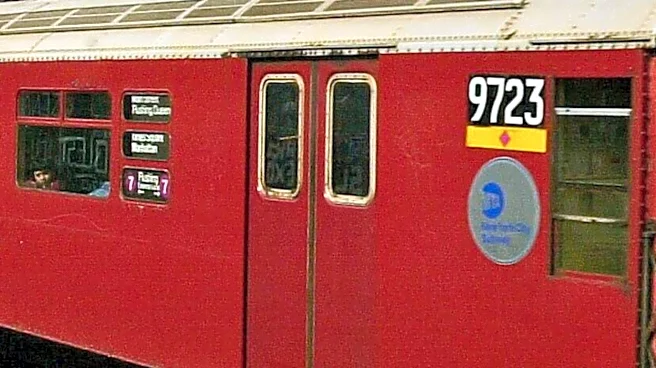
Upon its formation, the NYCTA faced several challenges inherited from its predecessor. The subway cars from the Interborough Rapid Transit Company (IRT) and the Brooklyn-Manhattan Transit Corporation (BMT) were aging and in need of replacement. The first new cars, the R16s, were introduced in 1955, featuring modern amenities like automatic thermostats and improved ventilation systems. This marked the beginning of a series of upgrades to the subway fleet, with additional cars ordered and delivered throughout the 1960s.
Financial difficulties also plagued the NYCTA in its early years. The agency struggled with operating deficits, prompting fare increases to generate necessary revenue. In 1953, the fare was raised to fifteen cents, and a token system was introduced for subway and elevated fares. Despite these efforts, the NYCTA continued to face financial challenges, leading to further fare adjustments and operational changes.
Expansion and Modernization Efforts
In the years following its establishment, the NYCTA embarked on ambitious expansion and modernization projects. In 1953, the agency proposed a six-year, $1.065 billion plan to expand the city's subway system. This plan included new lines and connections, such as the Second Avenue subway and extensions into southeast Brooklyn. While not all proposed projects were completed, significant developments like the Chrystie Street connection and the Rockaway Line were realized between 1954 and 1967.
The NYCTA also focused on improving the overall transit experience for passengers. In the 1960s, the agency introduced new subway cars with advanced features, enhancing comfort and reliability. Additionally, efforts were made to address deferred maintenance issues and improve train schedules, although challenges persisted in meeting operational costs and maintaining public satisfaction.
Integration into the Metropolitan Transportation Authority
A significant turning point in the history of the NYCTA came in 1968 when it was integrated into the newly formed Metropolitan Transportation Authority (MTA). This move aimed to create a unified transit system for the New York City metropolitan area, encompassing subways, buses, and commuter rail services. The integration allowed for better coordination and resource allocation, ultimately enhancing the efficiency and effectiveness of public transportation in the region.
The NYCTA's journey from its formation in 1953 to its integration into the MTA in 1968 reflects a period of significant transformation and growth. Despite facing numerous challenges, the agency played a crucial role in shaping the modern transit landscape of New York City. Today, the NYCTA continues to be an integral part of the MTA, serving millions of passengers daily and contributing to the city's vibrant and dynamic character.