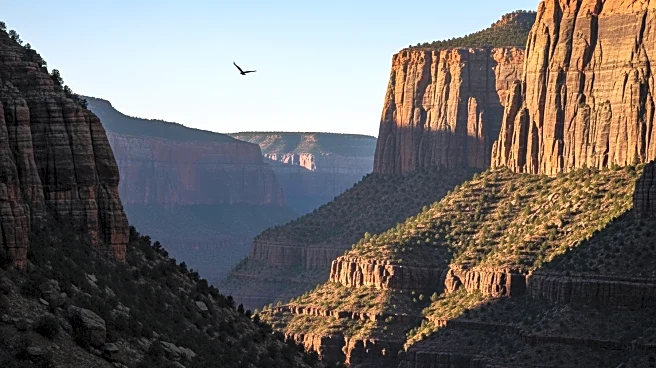




Black Canyon of the Gunnison National Park is not only a geological wonder but also a haven for diverse wildlife. The park's unique environment, characterized by steep cliffs and deep canyons, provides a habitat for a variety of animal species. From mammals to birds, the park is teeming with life, offering visitors a chance to observe wildlife in their natural setting.
Mammals of the Canyon
The park is home to a wide range of mammals, each adapted to the rugged terrain
of the canyon. Among the most notable are the pronghorn, black bear, and coyote. These animals roam the park's expansive landscapes, often spotted by visitors exploring the area. The park also hosts smaller mammals like the muskrat, raccoon, and beaver, which thrive in the park's riverine environments.
Predators such as the cougar and bobcat are also present, though they are more elusive and often remain hidden from view. The park's diverse mammalian population is a testament to the rich ecosystems supported by the canyon's varied habitats.
Avian Diversity
Birdwatchers will find Black Canyon of the Gunnison National Park a paradise, with a wide array of bird species inhabiting the area. The park is home to two species of eagles, eight species of hawks, and six species of owls, making it a prime location for observing birds of prey. The Steller's jay and mountain bluebird add vibrant colors to the park's avian population.
The canyon's cliffs and rocky outcrops provide ideal nesting sites for many bird species, including the white-throated swift and peregrine falcon. These birds take advantage of the canyon's updrafts, soaring high above the rugged landscape in search of prey.
Conservation Efforts
The National Park Service plays a crucial role in preserving the wildlife of Black Canyon of the Gunnison. Efforts to maintain the park's natural habitats ensure that the diverse species continue to thrive. Visitors are encouraged to respect the wildlife and follow park guidelines to minimize human impact on the environment.
The park's designation as a national park in 1999 has helped protect its unique ecosystems, allowing future generations to experience the beauty and diversity of its wildlife. As visitors explore the park, they are reminded of the importance of conservation and the need to preserve these natural wonders for years to come.