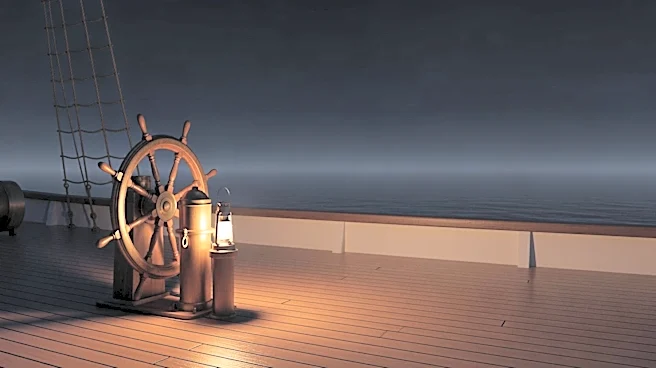







The RMS Titanic, a marvel of modern engineering, met its tragic end on the night of April 14, 1912. As the ship sailed through the North Atlantic, it collided with an iceberg, setting off a chain of events that would lead to one of the most infamous maritime disasters in history. This article delves into the details of that fateful night, exploring the moments leading up to the collision and the chaos that ensued.
The Collision with the Iceberg
On the evening of April 14, the Titanic
was cruising at a speed of 22 knots, despite receiving multiple warnings about icebergs in the area. At 23:40, the ship struck an iceberg on its starboard side. The impact caused a series of gashes below the waterline, compromising the ship's watertight compartments.
Survivors described the iceberg as a dark shadow or a towering white mass. Some reported hearing a scraping sound as the iceberg tore through the hull, while others felt a slight jolt. The collision was severe enough to cause significant damage, leading to the flooding of several compartments. Despite the ship's reputation as unsinkable, it became clear that the Titanic was in grave danger.
The Chaos of Evacuation
In the immediate aftermath of the collision, Captain Edward Smith and his officers assessed the damage. Realizing the severity of the situation, Smith ordered the lifeboats to be prepared and passengers to don life vests. However, the evacuation process was chaotic and disorganized.
Many passengers were unaware of the gravity of the situation, and there was no general alarm to alert them. Lifeboats were launched with far fewer people than their capacity, and there was confusion about the procedures for boarding them. The lack of lifeboats for all passengers and crew further exacerbated the crisis, leaving many stranded on the sinking ship.
The Titanic's Final Moments
As the Titanic continued to take on water, the situation grew increasingly dire. The ship's bow dipped below the surface, and the stern rose into the air. Passengers and crew clung to the hope of rescue, but the cold Atlantic waters claimed many lives.
At 2:20 a.m. on April 15, the Titanic disappeared beneath the waves, taking with it over 1,500 souls. The tragedy left a profound impact on the world, highlighting the need for improved safety measures in maritime travel. The events of that night have been immortalized in countless retellings, serving as a somber reminder of the fragility of human endeavors against the forces of nature.
The Titanic's final hours were marked by confusion, fear, and heroism. As the ship sank, acts of bravery and selflessness emerged, with many sacrificing their lives to save others. The disaster has since become a symbol of both human fallibility and resilience, leaving an indelible mark on history.