



Peruvian cuisine is a testament to the country's rich cultural tapestry, blending indigenous ingredients with influences from Europe, Asia, Africa, and the Middle East. This fusion of flavors has created a culinary tradition that is both diverse and distinctive, reflecting the multicultural heritage of Peru. In this article, we explore the various cultural influences that have shaped Peruvian cuisine and contributed to its unique identity.
Indigenous Foundations
The indigenous
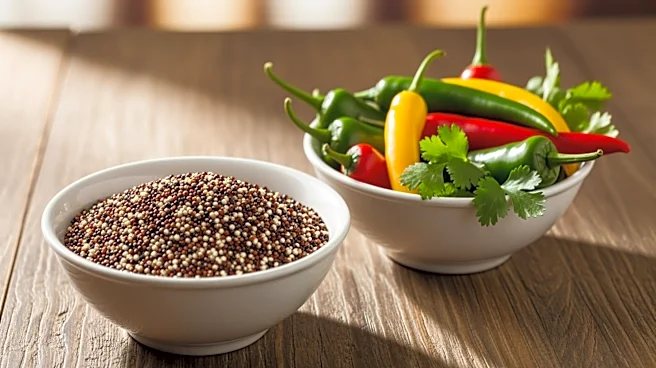
peoples of Peru laid the foundation for the country's culinary tradition with their use of local ingredients such as corn, potatoes, quinoa, and aji peppers. These staples have been integral to Peruvian cuisine for centuries, providing essential nutrients and flavors that are celebrated in many traditional dishes.
The connection to the land and the use of native ingredients are central to the identity of Peruvian cuisine. The indigenous influence is evident in the continued popularity of dishes that highlight these ingredients, showcasing the enduring legacy of the Andean and Amazonian cultures.
European and Asian Contributions
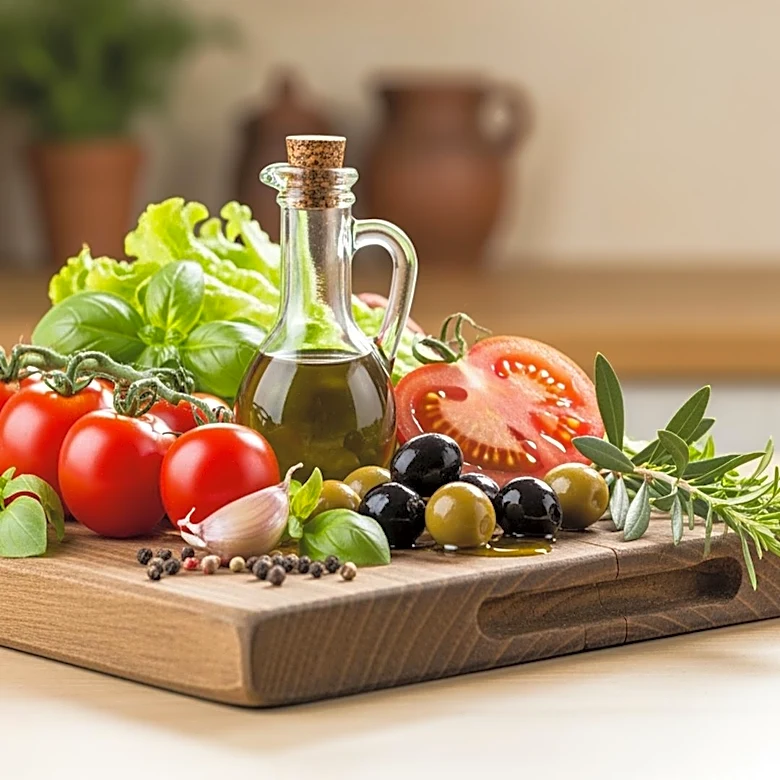
The arrival of the Spanish in the 16th century introduced new ingredients and cooking techniques to Peru, creating a fusion of indigenous and European flavors. The Spanish brought onions, garlic, and various meats, along with methods like frying and sautéing, which transformed the local culinary landscape.
In the late 19th century, Asian immigrants, particularly from China and Japan, further enriched Peruvian cuisine. Chinese immigrants introduced dishes like lomo saltado, a stir-fry that combines Asian techniques with local ingredients. Japanese influence is also evident in the popularity of sushi and other dishes that incorporate Peruvian flavors.
African and Middle Eastern Influences
African slaves brought their culinary traditions to Peru, introducing dishes such as tacu-tacu, a mix of rice and beans. The African influence is seen in the use of spices and cooking methods that add depth and complexity to Peruvian dishes.
Middle Eastern immigrants, including Lebanese, Syrian, and Palestinian communities, have also contributed to the diversity of Peruvian cuisine. Their culinary traditions have been integrated into the local food culture, adding new flavors and techniques to the mix.
Peruvian cuisine is a celebration of cultural diversity, reflecting the country's history of immigration and adaptation. The fusion of indigenous, European, Asian, African, and Middle Eastern influences has created a culinary tradition that is both unique and universally appealing. As Peruvian cuisine continues to gain international recognition, it serves as a reminder of the power of cultural exchange and the richness that comes from embracing diversity.