

Hungary is renowned for its rich spa culture, drawing visitors from around the world to experience the healing properties of its thermal waters. With over 1,300 thermal springs, Hungary boasts a unique spa tradition that dates back to Roman times. This article delves into the significance of Hungary's thermal waters and the role they play in the country's tourism industry.
The Origins of Hungary's Spa Culture
The history of Hungary's spa culture can be traced back to the Roman Empire,
when the first baths were built along the banks of the Danube River. The Romans recognized the therapeutic benefits of Hungary's thermal waters and established a tradition of bathing that has endured for centuries. Today, Hungary is home to some of the most famous thermal baths in the world, attracting tourists seeking relaxation and rejuvenation.
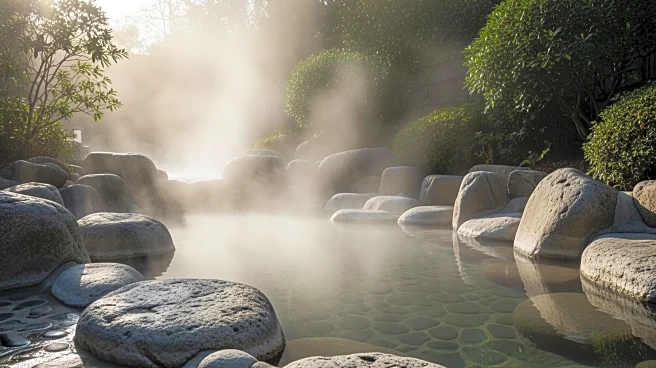
Budapest, the capital city, is often referred to as the "City of Spas" due to its abundance of thermal baths. The city sits on a geological fault line, which allows warm mineral waters to flow from 118 thermal springs. These waters supply the city's numerous baths, offering visitors a chance to unwind and experience the healing properties of the springs.
The Healing Properties of Thermal Waters
Hungary's thermal waters are rich in minerals, including calcium, magnesium, and sulfur, which are believed to have various health benefits. Bathing in these mineral-rich waters is said to alleviate joint pain, improve circulation, and promote overall well-being. Many of Hungary's thermal baths offer medical treatments, massages, and other wellness services, making them popular destinations for health-conscious travelers.
The Széchenyi Thermal Bath in Budapest is one of the largest and most famous thermal baths in Europe. With its grand architecture and extensive facilities, it offers a luxurious spa experience. Other notable baths in Budapest include the Gellért Bath, known for its Art Nouveau design, and the Rudas Bath, which dates back to the Turkish occupation of Hungary.
Spa Towns Beyond Budapest
While Budapest is the epicenter of Hungary's spa culture, the country is dotted with spa towns that offer their own unique experiences. Hévíz, located near Lake Balaton, is home to the largest thermal lake in the world. The town's spa facilities attract visitors seeking the therapeutic benefits of its warm waters.
Other popular spa towns include Hajdúszoboszló, Bükfürdő, and Sárvár, each offering a range of wellness services and treatments. These towns provide a tranquil escape from the hustle and bustle of city life, allowing visitors to immerse themselves in Hungary's rich spa tradition.
Hungary's spa culture is a testament to the country's natural resources and historical heritage. With its abundance of thermal waters and world-class spa facilities, Hungary continues to be a leading destination for wellness tourism, offering visitors a chance to relax, rejuvenate, and experience the healing power of its thermal springs.