
The Monitor warship, first introduced during the American Civil War, revolutionized naval warfare with its innovative design and powerful armament. Over time, the concept of the Monitor evolved, influencing
the development of modern naval vessels. This article traces the evolution of Monitor warships from their inception to their lasting impact on contemporary naval design.
The Birth of the Monitor
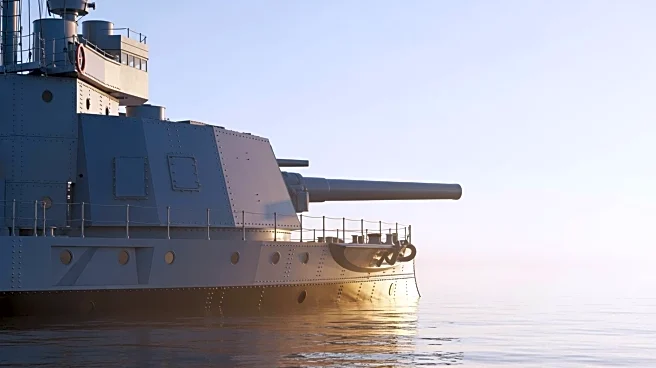
The USS Monitor, designed by John Ericsson in 1861, was the first of its kind, featuring a low-freeboard hull and a revolving turret. This design allowed the Monitor to engage enemy ships with greater flexibility and firepower, setting a new standard for naval warfare. The Monitor's success in the Battle of Hampton Roads against the Confederate ironclad CSS Virginia demonstrated the effectiveness of its design and prompted the Union Navy to commission additional Monitor-class vessels.
The introduction of the Monitor marked a departure from traditional wooden warships, as it prioritized armor and firepower over speed and maneuverability. This shift in design philosophy laid the groundwork for future naval vessels, which would continue to emphasize these elements in their construction.
The Evolution of Monitor Design
Following the success of the USS Monitor, the Union Navy expanded its fleet of Monitor-class vessels, adapting the design to meet various operational needs. These adaptations included changes to the size, armament, and armor of the ships, allowing them to perform a range of roles, from coastal defense to riverine operations.
As naval technology advanced, the Monitor design continued to evolve. The introduction of steam power and improved armor materials allowed for the construction of larger and more powerful vessels. The concept of the revolving turret, first seen on the Monitor, became a standard feature in warship design, influencing the development of battleships and cruisers in the late 19th and early 20th centuries.
The Legacy of Monitor Warships
The influence of Monitor warships extends beyond their immediate impact on the Civil War. Their design principles have shaped the development of modern naval vessels, with an emphasis on firepower, armor, and versatility. The revolving turret, in particular, has become a defining feature of contemporary warships, allowing for greater flexibility in combat.
Today, the legacy of the Monitor can be seen in the design of modern naval vessels, which continue to prioritize the elements that made the original Monitor so effective. The evolution of Monitor warships serves as a testament to the enduring impact of innovation in naval warfare, highlighting the importance of adapting to new technologies and changing strategic needs.
The Monitor's influence on naval design is a reminder of the importance of innovation in military technology. As navies continue to develop new vessels and strategies, the lessons learned from the Monitor's design and deployment remain relevant, guiding the future of naval warfare.