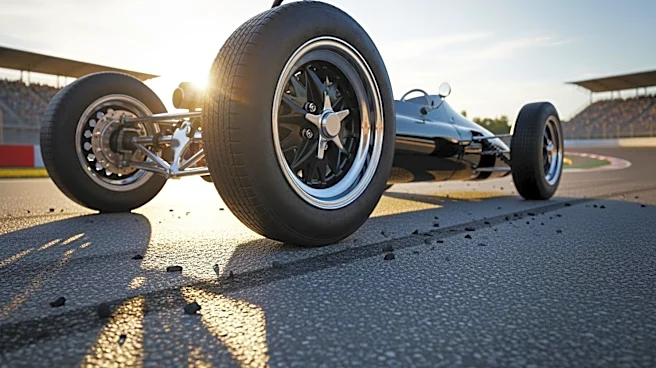





The 1987 Indianapolis 500 was a race that kept fans on the edge of their seats with its unexpected twists and turns. Held on May 24, 1987, at the iconic Indianapolis Motor Speedway, the event was marked by mechanical failures and strategic maneuvers that ultimately led to Al Unser Sr.'s historic victory. This race exemplified the unpredictable nature of motorsports, where fortunes can change in an instant.
Mechanical Challenges and Surprises
The 1987 race was characterized by a series
of mechanical challenges that affected several top contenders. Mario Andretti, who had secured the pole position, dominated the early part of the race by leading 170 laps. However, his hopes for victory were dashed when a mechanical issue forced him to slow down during the 177th lap. Three laps later, Andretti was out of the race, illustrating how quickly fortunes can change in the high-stakes world of racing.
Roberto Guerrero, another strong contender, took the lead after Andretti's exit. However, he too faced mechanical difficulties during a pit stop. As he attempted to leave the pit box, his engine stalled, costing him valuable time and the lead. These mechanical setbacks for Andretti and Guerrero opened the door for Al Unser Sr., who capitalized on the opportunity to take the lead and ultimately win the race.
Strategic Maneuvers and Key Moments
The 1987 Indianapolis 500 was not only about mechanical failures but also about strategic maneuvers that defined the race's outcome. Al Unser Sr., starting from the twentieth position, demonstrated exceptional strategic acumen. He maintained a steady pace throughout the race, avoiding unnecessary risks and capitalizing on the misfortunes of his competitors.
Unser Sr.'s ability to stay composed and make calculated decisions under pressure was crucial to his success. As the race unfolded, he found himself in a position to take the lead with 17 laps remaining. His experience and strategic mindset allowed him to maintain his lead until the end, securing his fourth Indianapolis 500 victory.
The Unpredictable Nature of Racing
The 1987 Indianapolis 500 highlighted the unpredictable nature of motorsports, where mechanical reliability and strategic decisions play a critical role in determining the outcome. The race served as a reminder that in the world of racing, anything can happen, and the final result is never certain until the checkered flag is waved.
Al Unser Sr.'s victory in 1987 remains a testament to the importance of experience and strategy in overcoming the challenges and uncertainties of racing. The race is remembered not only for its unexpected twists but also for the resilience and determination displayed by the drivers who competed on that memorable day.