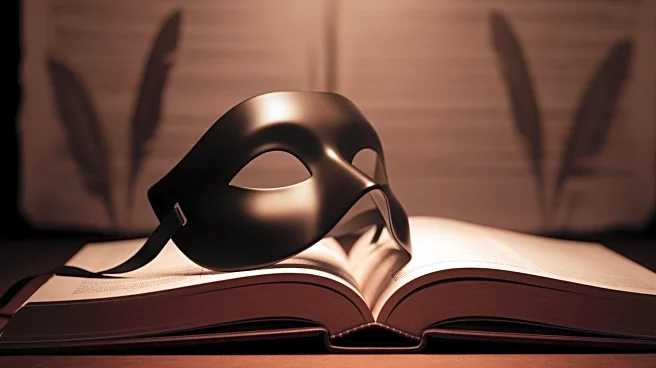




Zorro, the masked hero created by Johnston McCulley, has become a legendary figure in popular culture. First introduced in the 1919 novel "The Curse of Capistrano," Zorro's adventures have been adapted into numerous films and television series, captivating audiences worldwide. This article explores the journey of Zorro from the pages of McCulley's novels to the silver screen and examines the cultural impact of this iconic character.
The Birth of Zorro
Johnston McCulley
introduced Zorro in "The Curse of Capistrano," a serialized novel published in All-Story Weekly. The character of Don Diego de la Vega, a nobleman who adopts the masked identity of Zorro to fight injustice, quickly resonated with readers. Zorro's swashbuckling adventures, his skill with a sword, and his signature "Z" mark made him an instant hit.
The success of the novel led to its adaptation into the silent film "The Mark of Zorro" in 1920, starring Douglas Fairbanks. The film's portrayal of Zorro as a dashing and charismatic hero captured the public's imagination and solidified the character's place in popular culture. The film's success prompted McCulley to continue writing Zorro stories, resulting in a series of novels and short stories that expanded the character's adventures.
Zorro on the Silver Screen
Zorro's transition from literature to film marked the beginning of a long and successful cinematic journey. The character's appeal lay in his dual identity, his fight against oppression, and his ability to outwit his enemies. These elements made Zorro an ideal subject for film adaptations, allowing filmmakers to explore themes of heroism and justice.
Over the years, Zorro has been portrayed by various actors, each bringing their unique interpretation to the role. The 1940 film "The Mark of Zorro," starring Tyrone Power, further cemented Zorro's status as a cultural icon. The film's success led to numerous sequels and adaptations, including the popular Disney television series in the late 1950s.
Cultural Impact and Legacy
Zorro's influence extends beyond the realm of film and literature. The character's masked persona and commitment to justice have inspired countless other heroes, including Batman. Zorro's adventures have been adapted into various media, including comic books, video games, and stage productions, ensuring his continued relevance in popular culture.
The enduring appeal of Zorro lies in his timeless qualities as a hero. His fight against tyranny, his cleverness, and his sense of justice resonate with audiences across generations. Johnston McCulley's creation has transcended its origins, becoming a symbol of heroism and rebellion. As Zorro continues to inspire new adaptations and interpretations, his legacy as a cultural icon remains secure.