
Automatic transmissions have not only transformed the mechanics of driving but have also significantly influenced driving culture and vehicle design. This article examines the impact of automatic transmissions on how
we drive and the vehicles we choose.
Changing Driving Habits
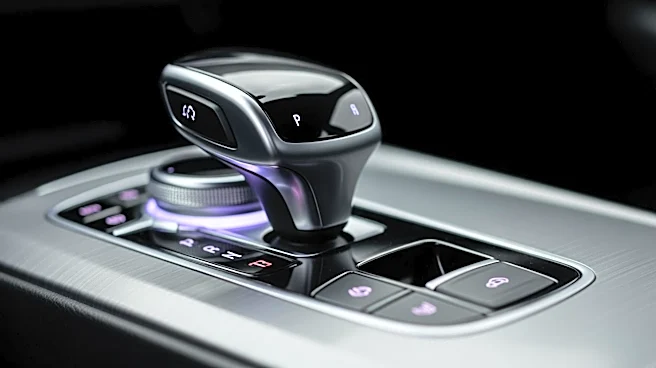
The introduction of automatic transmissions has fundamentally changed driving habits, particularly in the United States. With the ability to shift gears automatically, drivers no longer need to manually operate a clutch or gear lever. This has made driving more accessible to a broader audience, including those who may find manual transmissions challenging.
In the U.S., automatic transmissions quickly became the norm, with over 80% of new cars featuring them by 1957. This shift allowed drivers to focus more on the road and less on the mechanics of driving, contributing to a more relaxed driving experience. The convenience of automatic transmissions has also made them a popular choice for urban driving, where frequent stop-and-go traffic can make manual transmissions cumbersome.
Influence on Vehicle Design
The prevalence of automatic transmissions has also influenced vehicle design. Cars equipped with automatic transmissions often have more spacious interiors, as the absence of a clutch pedal and gear lever allows for more flexible cabin layouts. This has led to the development of vehicles with more comfortable and ergonomic designs, catering to the needs of modern drivers.
Additionally, the integration of automatic transmissions with advanced safety systems has further enhanced vehicle design. Features such as Autonomous Emergency Braking and adaptive cruise control are more easily implemented with automatic transmissions, providing a safer and more convenient driving experience. As a result, manufacturers have increasingly focused on developing vehicles that prioritize both comfort and safety.
The Global Perspective
While automatic transmissions have long been popular in the United States, their adoption in other regions has been more gradual. In Europe, for example, manual transmissions remained dominant until the late 20th century. However, the growing prevalence of automatic transmissions in Europe and other regions can be attributed to the rise of electric and hybrid vehicles, which often use automatic systems.
The global shift towards automatic transmissions is also driven by changing consumer preferences and advancements in technology. As more drivers seek convenience and ease of use, manufacturers are responding by offering a wider range of automatic options. This trend is expected to continue as technology advances, further shaping the future of driving culture worldwide.
In conclusion, automatic transmissions have had a profound impact on driving culture, influencing both how we drive and the vehicles we choose. Their convenience and integration with modern safety systems have made them a staple in the automotive industry, shaping the way we experience driving today.