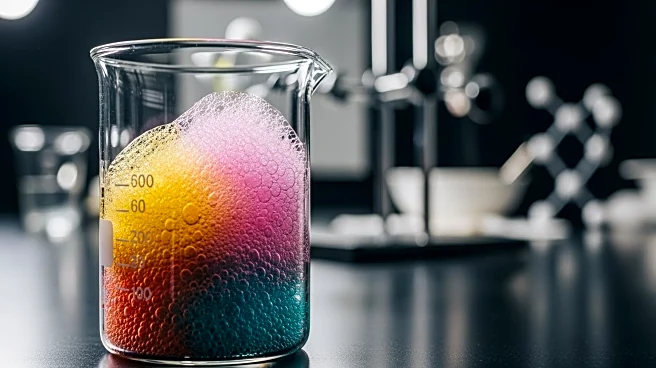




Molecular gastronomy is a relatively new field that has revolutionized the culinary world. It combines scientific principles with traditional cooking techniques to create innovative dishes. The term "molecular gastronomy" was coined in 1988 by Nicholas Kurti and Hervé This, marking the beginning of a new era in culinary science. This article explores the history and evolution of this fascinating discipline.
Early Influences and Precursors
The roots of molecular gastronomy can be
traced back to the 18th and 19th centuries. Marie-Antoine Carême, a renowned French chef, emphasized the importance of understanding the science behind cooking. He noted that the slow boiling of broth was crucial to prevent the coagulation of albumin, which would affect the flavor and texture of the dish.
In the early 20th century, French writer Raymond Roussel introduced the idea of using scientific techniques in cooking through his fictional stories. These early influences laid the groundwork for the development of molecular gastronomy as a formal discipline.
The Birth of Molecular Gastronomy
The formalization of molecular gastronomy began in 1988 when Nicholas Kurti and Hervé This coined the term "Molecular and Physical Gastronomy." They organized workshops in Erice, Italy, bringing together scientists and chefs to explore the science behind traditional cooking methods. These workshops marked the beginning of a new approach to culinary science.
After Kurti's death in 1998, Hervé This continued to develop the field, organizing international workshops and conducting research at the Inra-AgroParisTech International Centre for Molecular Gastronomy. His work has been instrumental in advancing the understanding of the chemical and physical processes involved in cooking.
Modern Developments and Impact
Today, molecular gastronomy has become a prominent field in the culinary world. Chefs like Heston Blumenthal and Ferran Adrià have embraced the principles of molecular gastronomy, creating dishes that challenge traditional culinary norms. These chefs have popularized techniques such as spherification and the use of liquid nitrogen, bringing molecular gastronomy into the mainstream.
Despite its popularity, some chefs, including Blumenthal and Adrià, have expressed discomfort with the term "molecular gastronomy," preferring to describe their work as a new approach to cooking. Regardless of the terminology, the impact of molecular gastronomy on the culinary world is undeniable. It has opened up new possibilities for creativity and innovation, transforming the way we think about food and cooking.