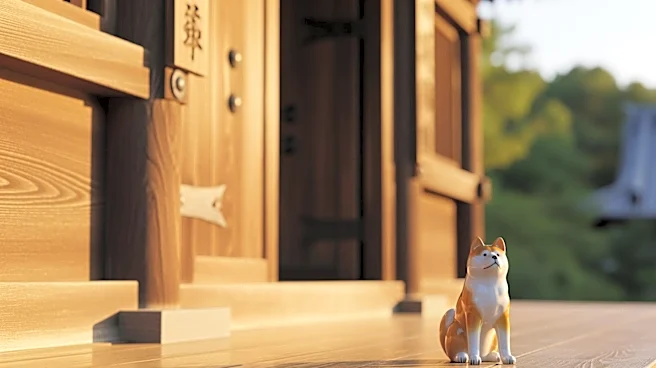








The Akita dog breed, originating from the mountains of northern Japan, has a rich and fascinating history. Known for its loyalty and strength, the Akita has evolved over centuries, adapting to various roles and environments. This article delves into the historical journey of the Akita, highlighting key milestones and transformations that have shaped this remarkable breed.
Origins and Early History
The Akita Inu, a large Japanese dog breed, traces its roots back to the Matagi
Inu, a medium-sized dog historically used by traditional hunters in the Tōhoku region. These dogs were instrumental in tracking and subduing large game such as the Japanese black bear and wild boar in snow-covered mountain terrain. The breed's hardy nature and ability to withstand harsh conditions made it a valuable asset to hunters.
During the Edo period, the Akita region was ruled by the Satake clan, who nurtured the fighting spirit of their vassals through dogfighting. The Akita Inu was officially declared a Japanese natural monument in 1931, marking a significant milestone in its history. Efforts to preserve the breed were organized by the Akita Inu Hozonkai, aiming to maintain the original characteristics of the Akita as a Japanese natural treasure.
The Akita's Role in War and Preservation Efforts
The Akita breed played a role during the Russo-Japanese War, where it was used to track prisoners of war and lost sailors. However, during World War II, the breed faced challenges as non-military dogs were ordered to be culled. To save the Akita, it was crossed with German Shepherds, and some were used as scouts and guards during the war.
Post-war efforts to restore the breed were led by Morie Sawataishi and others, who focused on breeding Akitas for a standardized appearance. This period marked the divergence between the Japanese and American Akita types, with the latter preserving traits that had fallen out of favor in Japan.
Modern Developments and Global Recognition
The Akita's story gained international attention through the tale of Hachikō, a loyal Akita who waited for his deceased owner at Shibuya Station for nine years. This story helped elevate the breed's status worldwide, symbolizing loyalty and devotion.
In 1937, Helen Keller brought the first Akitas to the United States, further spreading the breed's popularity. Today, the Akita is recognized by several kennel clubs worldwide, with distinct Japanese and American types. The breed continues to be celebrated for its loyalty, strength, and unique history, making it a cherished companion and symbol of devotion.