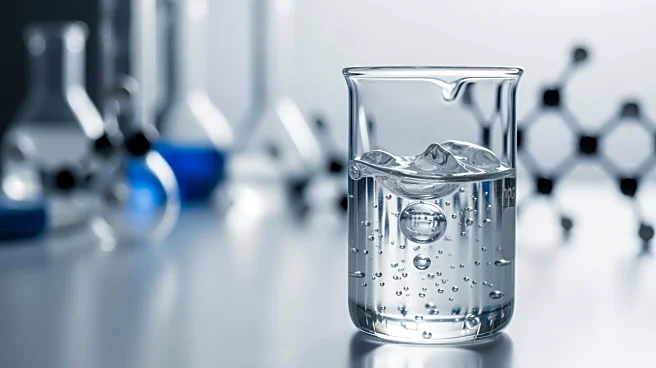

Personal care products are the result of extensive scientific research and innovation, designed to meet diverse consumer needs. From the chemistry of ingredients to the technology behind product formulations,
science plays a crucial role in the development of these everyday essentials. This article delves into the scientific principles that underpin personal care products.
Chemistry of Ingredients
The formulation of personal care products involves a complex interplay of chemical ingredients, each serving a specific function. Common components include surfactants, emollients, humectants, and preservatives, which work together to cleanse, moisturize, and protect the skin and hair. Surfactants, for example, are used in shampoos and soaps to lower surface tension, allowing for effective cleaning.
Preservatives are essential for maintaining product stability and preventing microbial growth, ensuring safety and longevity. The choice of ingredients is guided by scientific research, with considerations for efficacy, safety, and consumer preferences. The development of hypoallergenic and dermatologically tested products reflects the industry's commitment to addressing diverse skin types and sensitivities.
Technological Innovations
Advancements in technology have revolutionized the personal care industry, leading to the creation of innovative products that cater to specific needs. Electric shavers and toothbrushes, for instance, offer convenience and precision, enhancing the grooming experience. The use of nanotechnology in skincare allows for targeted delivery of active ingredients, improving efficacy and absorption.
The integration of technology in personal care products is driven by consumer demand for efficiency and effectiveness. Companies invest in research and development to create products that offer unique benefits, such as long-lasting hydration or UV protection. These innovations are supported by scientific studies that validate their performance and safety.
Regulatory and Safety Standards
The personal care industry is subject to stringent regulatory standards to ensure consumer safety. Different countries have varying regulations on permissible ingredients, with the European Union known for its rigorous restrictions. These standards are based on scientific assessments of ingredient safety and potential health risks.
Compliance with regulatory standards is crucial for product approval and market entry. Companies conduct extensive testing to ensure their products meet safety criteria, including dermatological tests and clinical trials. The industry's commitment to safety is reflected in the development of products that are free from harmful chemicals and allergens.
In summary, the science behind personal care products is a testament to the industry's dedication to innovation and safety. Through chemistry, technology, and regulatory compliance, these products continue to evolve, offering consumers effective solutions for their hygiene and beautification needs.