






Brazil is a vast country with a rich culinary landscape that varies significantly from one region to another. Each area boasts its own unique flavors and dishes, influenced by the local culture, geography, and history. This article explores the distinct regional cuisines of Brazil, highlighting the diversity and richness of the country's culinary traditions.
The Flavors of the Northeast
The cuisine of Northeast Brazil is heavily influenced by African and indigenous traditions,
resulting in a vibrant and flavorful culinary scene. In Bahia, dishes like acarajé and vatapá are popular, showcasing the use of palm oil and seafood. The region is also known for its use of cassava, a staple ingredient in many traditional dishes.
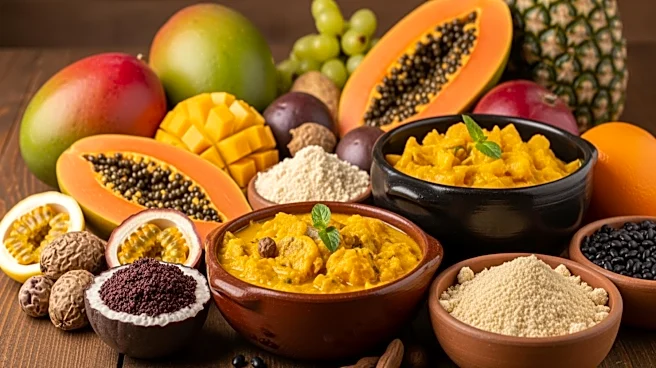
In Pernambuco, the cuisine is characterized by a mix of African, Portuguese, and indigenous influences. Dishes like carne-de-sol, a type of sun-dried beef, and baião de dois, a rice and bean dish, are staples in the region. The use of tropical fruits, such as mango and papaya, adds a refreshing touch to many meals, reflecting the region's abundant natural resources.
Southern Traditions
Southern Brazil is known for its meat-centric cuisine, influenced by the region's livestock-based economy and European immigration. The churrasco, a type of barbecue, is a local tradition, featuring a variety of meats cooked over an open flame. This style of cooking is similar to the Argentine and Uruguayan asado, highlighting the cultural connections between these neighboring countries.
The influence of German and Italian immigrants is evident in the region's culinary offerings, with dishes like sausages, pasta, and polenta being popular. The use of dairy products, such as cheese and cream, is also common, reflecting the European heritage of the region's settlers.
Coastal and Amazonian Delights
The coastal regions of Brazil, particularly in the Southeast, are known for their seafood dishes. In Rio de Janeiro, feijoada, a hearty stew of beans, beef, and pork, is a popular dish, often served with rice and collard greens. The city's Portuguese heritage is reflected in the widespread consumption of bolinhos de bacalhau, or fried cod fritters.
In the Amazon region, the cuisine is heavily influenced by indigenous traditions, with a focus on local ingredients like fish, fruits, and cassava. Dishes like pato no tucupi, a duck stew made with tucupi sauce, and tacacá, a soup made with jambu leaves and shrimp, showcase the unique flavors of the Amazon.
Brazil's regional cuisines offer a fascinating glimpse into the country's diverse cultural heritage. Each region's culinary traditions are a testament to the rich history and vibrant culture of Brazil, making it a truly unique and exciting destination for food lovers.