

The used book market has undergone significant changes over the years, adapting to shifts in consumer behavior and technological advancements. Initially, used books were primarily sold through physical stores, but the advent of online shopping has transformed the landscape. This article explores the historical development of used book sales, highlighting key milestones and the impact of digital platforms.
Early Days of Used Book Sales
In the early days, used books were typically
sold through second-hand shops, church sales, or dedicated used bookstores. These venues offered books at a fraction of the cost of new ones, making them accessible to a wider audience. The pricing strategy was straightforward, with most used books sold for about half or three-quarters of their original price. However, rare or in-demand books could fetch higher prices, reflecting their scarcity and desirability.
The physical nature of these transactions meant that buyers and sellers interacted directly, fostering a community of book enthusiasts. Used bookstores often became local hubs for bibliophiles, offering a space to discover hidden gems and engage in literary discussions. This personal touch was a defining characteristic of the early used book market.
Impact of Online Shopping
The rise of online shopping marked a turning point for the used book industry. As consumers increasingly turned to the internet for convenience, traditional book sales experienced a decline. However, this shift also opened new opportunities for used book retailers. Dedicated online platforms emerged, allowing individuals to sell books directly to buyers or through third-party marketplaces.
Online retailers like ThriftBooks capitalized on this trend, offering vast inventories and competitive prices. These platforms streamlined the buying process, making it easier for consumers to find specific titles and compare prices. The digital format also expanded the reach of used book sales, connecting buyers and sellers across geographical boundaries.
The Role of Used Bookstores Today
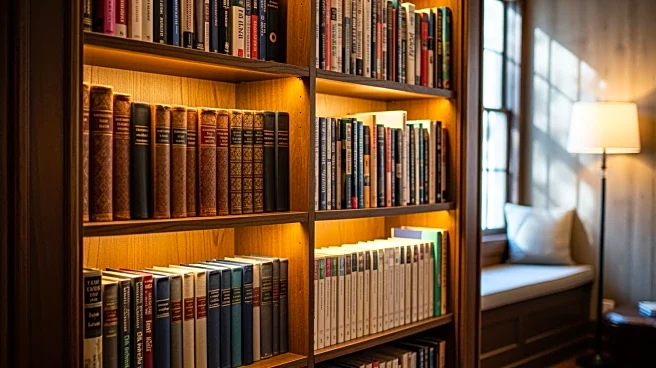
Despite the dominance of online platforms, physical used bookstores continue to play a vital role in the market. Many new book shops now carry used books, and some used book shops also sell new titles. This hybrid model helps maintain the circulation of old books, ensuring they remain accessible to readers.
Used bookstores often house rare, antique, or out-of-print books, attracting collectors and enthusiasts. These establishments preserve the cultural and historical significance of books, offering a tangible connection to the past. While the financial benefits to authors and publishers are limited, the continued circulation of used books enriches the literary landscape.