


Carbon capture and storage (CCS) is a technology that captures carbon dioxide emissions from industrial processes and stores them underground. In Australia, CCS is considered a potential solution for reducing greenhouse gas emissions, particularly from coal-fired power plants. However, the technology faces several challenges that must be addressed to realize its full potential.
Economic Viability and Infrastructure Needs
One of the main challenges facing CCS in Australia is its economic viability.
The cost of capturing and storing CO2 is currently higher than other low-emission technologies, such as wind power. This makes it difficult for CCS to compete in the energy market without significant government support or a price on carbon. According to Australian Treasury modeling, CCS is not expected to be commercially viable until the 2030s.
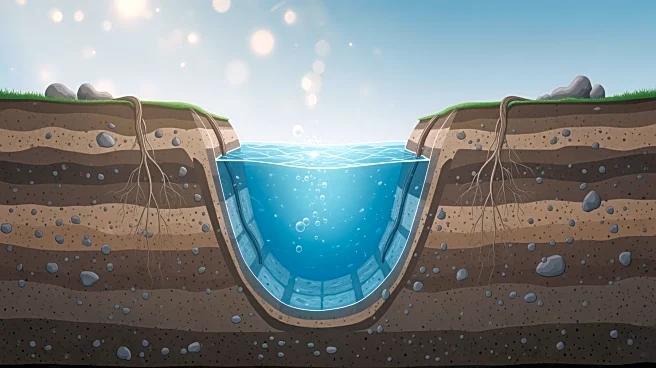
In addition to economic challenges, CCS requires substantial infrastructure investment. The technology involves capturing CO2 at the source, transporting it via pipelines, and storing it in geological formations underground. Building this infrastructure can be costly and time-consuming, and there are limited suitable storage sites near major emissions sources in Australia. Despite these challenges, the potential for CCS in Australia is significant, given the country's extensive fossil fuel resources and the need to reduce emissions.
Technical and Environmental Concerns
Technical challenges also pose a barrier to the widespread adoption of CCS in Australia. The process of capturing CO2 requires additional energy, which can increase the environmental impact of coal mining and transportation. Furthermore, the risk of CO2 leakage from underground storage sites is a concern, as it could undermine the effectiveness of CCS in reducing emissions.
Research and development efforts are underway to improve the efficiency and cost-effectiveness of CCS technologies. For example, the CO2CRC Otway Project in Western Victoria has successfully demonstrated the feasibility of storing CO2 in a depleted natural gas reservoir. However, large-scale commercial deployment of CCS remains a challenge, and further advancements are needed to address technical and environmental concerns.
Government and Industry Initiatives
Both the Australian government and industry have invested in CCS research and development. Federal initiatives include the CO2CRC, the Global CCS Institute, and the Carbon Capture and Storage Flagships program. These programs aim to advance CCS technology and assess its potential for large-scale deployment in Australia. However, funding for CCS projects has been reduced in recent years, with the government cutting support for some initiatives.
The future of CCS in Australia will depend on continued investment in research and development, as well as the establishment of a regulatory framework to support its deployment. While CCS holds promise as a tool for reducing emissions, its success will require overcoming significant economic and technical challenges. As Australia seeks to transition to a low-carbon economy, CCS may play a crucial role in achieving its climate goals.