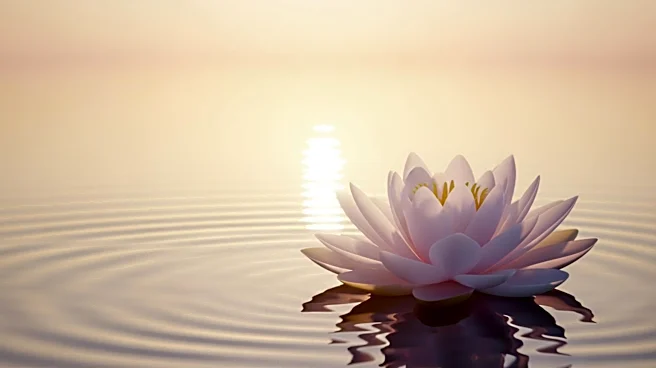

The lotus flower holds a significant place in the religious and cultural traditions of India. Known as Nelumbo nucifera, the lotus is revered in Hinduism, Buddhism, and Jainism for its beauty and symbolic
meanings. This article delves into the various interpretations and representations of the lotus across these religions, highlighting its role as a symbol of purity, enlightenment, and spiritual awakening.
The Lotus in Hinduism
In Hinduism, the lotus is a powerful symbol of divine beauty and purity. It is often associated with several deities, including Vishnu, Lakshmi, and Saraswati. Vishnu, known as the "Lotus-Eyed One," is frequently depicted seated on a lotus throne, symbolizing his divine nature and the unfolding of the soul. The lotus is also linked to the sun and fire gods, representing the realization of inner potential and spiritual enlightenment.
The lotus's growth from the mud to bloom in pristine beauty is seen as a metaphor for spiritual progress and the journey towards enlightenment. In Hindu iconography, the lotus is a common motif, with deities like Ganga and Ganesha often shown seated on lotus flowers. The lotus is also extensively mentioned in Puranic and Vedic literature, symbolizing detachment and purity.
The Lotus in Buddhism
In Buddhism, the lotus represents purity of the body, speech, and mind. It is a symbol of spiritual awakening and enlightenment, rising unstained from the muddy waters of material attachment and desire. According to Buddhist tradition, Gautama Buddha's first seven steps caused lotus flowers to appear, signifying his purity and spiritual journey.
Lotus thrones are a common feature in Buddhist art, serving as pedestals for important figures. The lotus is also associated with Padmasambhava, the Lotus-Born, who is considered the Second Buddha in Tibet. He is often depicted sitting on a lotus flower, symbolizing his role in spreading Buddhism and overcoming local deities.
The Lotus in Jainism
In Jainism, the lotus is a symbol of purity and spiritual perfection. The founders of Jainism, known as tirthankaras, are often portrayed seated or standing on lotus thrones. The lotus is also associated with the tirthankara Padmaprabha, whose name means 'bright as a red lotus.'
The lotus's significance in Jainism is similar to its role in other Indian religions, symbolizing the soul's journey towards liberation and enlightenment. The lotus's ability to rise above the muddy waters is seen as a metaphor for the soul's transcendence over worldly attachments and desires.
The lotus flower's symbolism in Indian religions highlights its role as a powerful emblem of spiritual purity, enlightenment, and the journey towards self-realization. Its presence in religious art and literature underscores its enduring significance across Hinduism, Buddhism, and Jainism.