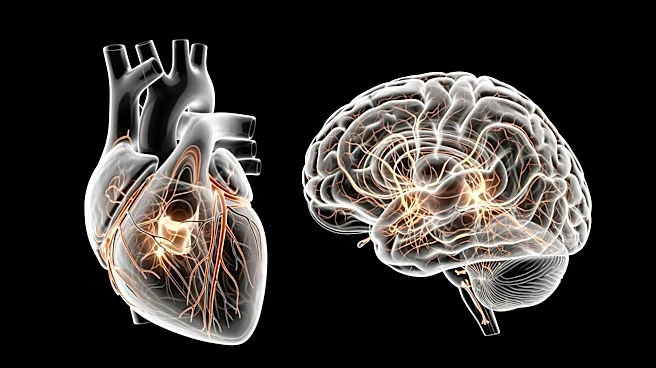

The mammalian diving reflex is a fascinating physiological response observed in air-breathing vertebrates, including human infants. This reflex optimizes respiration by prioritizing oxygen distribution
to vital organs like the heart and brain, enabling extended submersion. While the diving reflex is most pronounced in aquatic mammals, it is also present in human babies up to six months old. Understanding this reflex provides insight into the innate survival mechanisms of infants when exposed to water.
Physiological Mechanisms of the Diving Reflex
The diving reflex is triggered by chilling and wetting the nostrils and face while breath-holding. In infants, this reflex involves apnea, slowed heart rate (bradycardia), and peripheral vasoconstriction, which restricts blood flow to the limbs and directs it to the heart and brain. During the reflex, the infant's heart rate decreases by an average of 20%, and the glottis seals off, diverting water entering the upper respiratory tract into the stomach. These physiological changes help conserve oxygen and protect the infant during brief periods of submersion.
The Diving Reflex as a Survival Mechanism
The diving reflex serves as an important defense mechanism for infants, allowing them to survive short immersions in water. By conserving oxygen for the heart and brain, the reflex minimizes the risk of hypoxic damage. This innate response is part of a broader range of primitive reflexes found in infants, which are not present in older children and adults. While the reflex provides a survival advantage, it does not equate to an ability to swim independently. Infants can imitate swimming motions, but they lack the physical capability to swim without assistance.
Implications for Infant Swimming and Safety
The presence of the diving reflex in infants has implications for swimming lessons and water safety. While the reflex can help infants survive brief immersions, it is not a substitute for swimming skills. Infant swimming lessons aim to teach safety skills that complement the reflex, such as floating and swimming towards safety. However, the effectiveness of these lessons in preventing drowning is not entirely reliable. Understanding the limitations and capabilities of the diving reflex is crucial for developing safe and effective swimming programs for young children, ensuring that they are equipped to handle water-related situations.