


Long-term memory is a complex cognitive function supported by intricate biological and molecular mechanisms. Understanding these processes provides insight into how memories are stored and maintained over time. This article explores the biological basis of long-term memory, focusing on the cellular and molecular factors that contribute to its persistence.
Cellular Mechanisms of Memory Storage
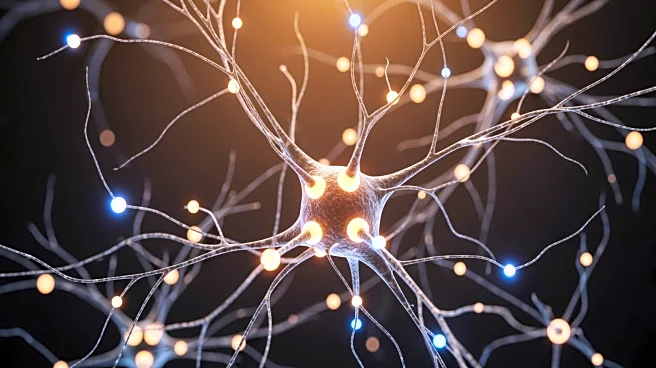
At the cellular level, long-term memory relies on the synthesis of new proteins within neurons.
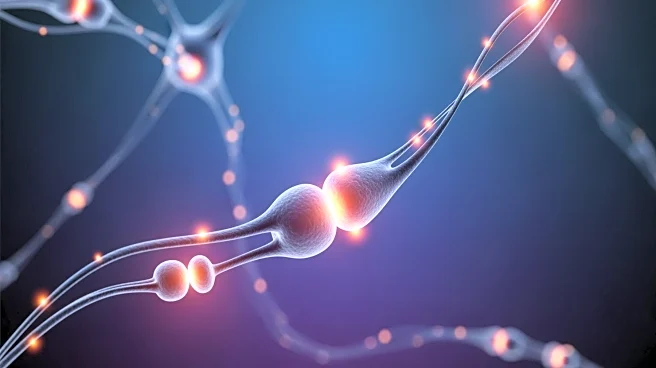
This process is triggered by the release of signaling substances, such as calcium, which initiate gene transcription and the construction of proteins that reinforce synaptic connections. The strengthening of these connections is essential for the retention of information in long-term memory.
One critical protein involved in this process is PKMζ, an autonomously active form of the enzyme protein kinase C (PKC). PKMζ maintains synaptic strength and is crucial for preserving long-term memories. Inhibiting PKMζ can erase established long-term memories, demonstrating its importance in memory maintenance.
Molecular Processes in Memory Formation
DNA methylation and demethylation are key molecular processes that influence memory formation. These processes involve changes in methylation patterns, which affect gene expression in neurons. Methylation can lead to the downregulation of certain genes, while demethylation can result in the upregulation of others, impacting the storage and retrieval of memories.
Research has shown that intense learning events can induce significant changes in methylation patterns within the hippocampus, a brain region involved in memory storage. These alterations provide the molecular basis for long-term memory, highlighting the dynamic nature of memory formation.
The Role of Sleep in Memory Consolidation
Sleep is a vital component of memory consolidation, facilitating the transfer of information from short-term to long-term storage. During sleep, particularly non-rapid eye movement (NREM) sleep, newly acquired memories are reactivated, promoting their integration into long-term memory.
High spindle activity and delta wave activity during NREM sleep contribute to synaptic changes, enhancing memory consolidation. Sleep deprivation can disrupt these processes, reducing the efficiency of memory storage and retrieval.
In summary, the biological basis of long-term memory is supported by complex cellular and molecular mechanisms. By understanding these processes, researchers can gain valuable insights into how memories are formed and maintained, paving the way for advancements in memory-related research and therapies.