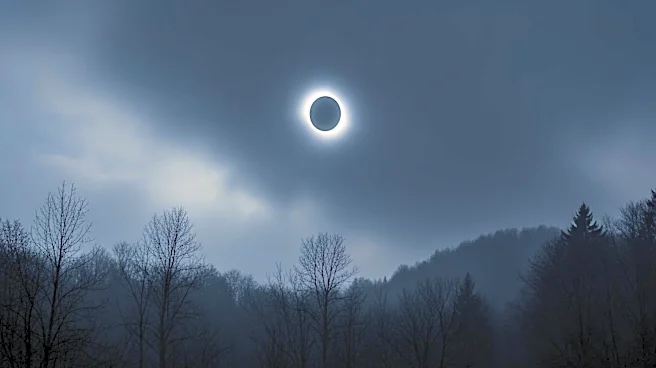






On May 19, 1780, an unusual event occurred that left the residents of New England and parts of eastern Canada in a state of bewilderment. Known as New England's Dark Day, this phenomenon saw the daytime sky darken to such an extent that candles were required from noon onwards. The cause of this eerie darkness was a combination of smoke from forest fires, thick fog, and cloud cover. The event lasted until the middle of the next night, leaving a lasting
impression on those who experienced it.
Causes of the Darkness
The primary cause of New England's Dark Day was a combination of smoke from extensive forest fires, thick fog, and cloud cover. Researchers have found evidence of a fire in 1780 by examining tree rings and fire scars in trees in the area now known as Algonquin Provincial Park in Ontario, Canada. These findings suggest that the smoke from these fires contributed significantly to the darkness experienced on that day.
In addition to the smoke, the presence of a thick fog and cloud cover further obscured the sun's rays, creating an atmosphere of complete darkness. This unusual combination of factors led to a day unlike any other, where the sun was obscured from view and the sky appeared yellow, with the sun appearing red in the days leading up to the event.
Effects on Daily Life
The darkness was so complete that it disrupted daily life for the residents of New England. Revolutionary War soldier Joseph Plumb Martin noted that in New Jersey, the darkness was so profound that fowls went to their roosts, cocks crowed, and whip-poor-wills sang their usual serenade. People had to light candles in their homes to carry on their usual business, and the night was as uncommonly dark as the day.
The darkness also had a psychological impact on the people, as many were baffled and sought religious interpretations for the event. Some saw it as a fulfillment of biblical prophecies, while others, like Abraham Davenport of Connecticut, chose to continue their duties despite fears of the Day of Judgment.
Historical Significance
New England's Dark Day remains a significant historical event due to its mysterious nature and the widespread impact it had on the region. It served as a catalyst for religious and philosophical discussions, with figures like the Public Universal Friend and Ann Lee, leader of the Shakers, using the event to present their religious testimonies to the public.
The event also highlighted the vulnerability of human societies to natural phenomena and the ways in which people interpret and respond to such occurrences. Today, New England's Dark Day is remembered as a unique and intriguing episode in the region's history, offering insights into the interplay between nature and human perception.