


The 1918 World Series was a landmark event in baseball history, featuring the Boston Red Sox and the Chicago Cubs. Held amidst the backdrop of World War I, this series was unique in many ways, from its early scheduling to the performances that defined it. This article examines the key events and significance of the 1918 World Series, highlighting its impact on baseball tradition.
Early Scheduling and War Influence
The 1918 World Series was held earlier than usual, from September 5 to
September 11, due to the ongoing World War I. The regular season had ended prematurely on September 2, following a compromise between league presidents and government officials. This decision was influenced by the "work or fight" mandate, which required men in non-essential jobs to enlist or take war-related positions.
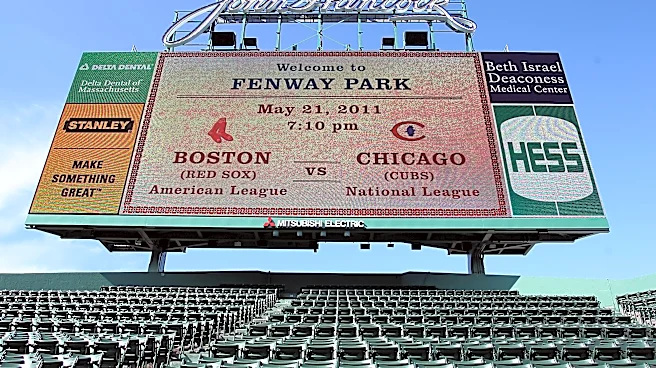
The early scheduling made the 1918 World Series the only one to be played entirely in September. Despite the challenges posed by the war, the series proceeded, showcasing the resilience of baseball as a sport. The games were played at Comiskey Park in Chicago and Fenway Park in Boston, with the Red Sox ultimately emerging victorious.
Key Performances and Traditions
The 1918 World Series was notable for several key performances, particularly by Babe Ruth. In Game 1, Ruth pitched a shutout, leading the Red Sox to a 1-0 victory over the Cubs. His performance set the tone for the series, which the Red Sox won four games to two.
A significant tradition began during the series when "The Star-Spangled Banner" was played during the seventh-inning stretch of Game 1. This tribute to servicemen marked the beginning of the anthem's association with baseball games, a practice that became widespread during World War II.
Legacy and Impact
The 1918 World Series had a lasting impact on baseball history. The Red Sox's victory marked their fifth championship, but it would be their last until 2004, leading to the infamous "Curse of the Bambino." The alleged curse stemmed from the sale of Babe Ruth to the New York Yankees after the 1919 season, a move that many believed led to the Red Sox's championship drought.
The Cubs, on the other hand, would not win another World Series until 2016, despite several appearances in the years following 1918. The series highlighted the competitive nature of baseball and the challenges teams faced during wartime.
Overall, the 1918 World Series was a historic championship that showcased the resilience of baseball during a time of global conflict. Its early scheduling, key performances, and lasting traditions have cemented its place in the annals of baseball history.