


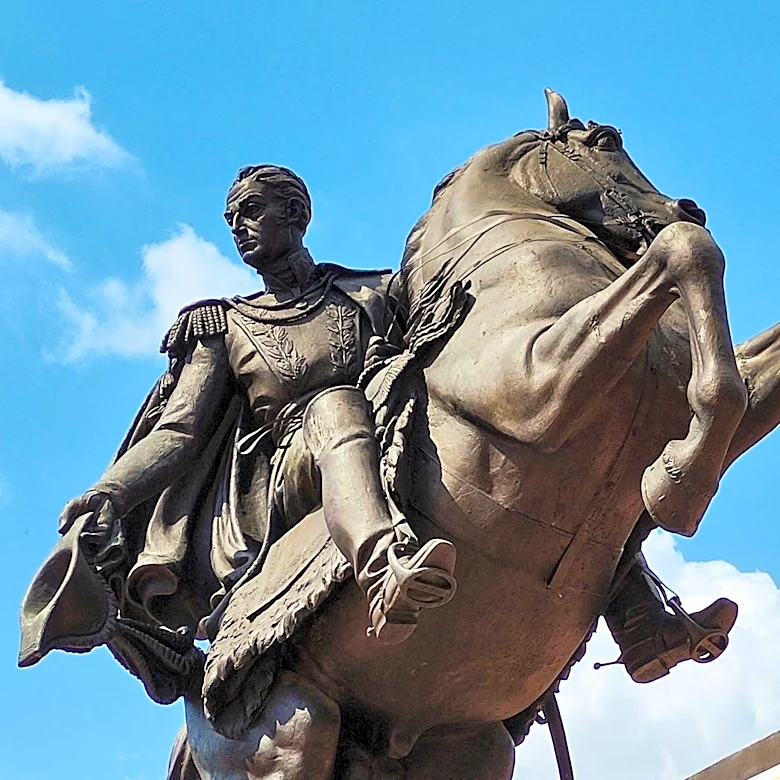




Thomas Jefferson, one of America's Founding Fathers, is best known for his role as the principal author of the Declaration of Independence. His eloquence and philosophical insights were crucial in articulating the colonies' desire for independence and their vision for a new nation. Jefferson's contributions to the Declaration have left a lasting impact on American history and the principles of democracy.
Jefferson's Appointment and Drafting Process
On June 11, 1776, Thomas Jefferson was appointed
to the Committee of Five, tasked with drafting the Declaration of Independence. Despite being one of the youngest members of the committee, Jefferson was chosen to write the first draft due to his reputation as a skilled writer and thinker. His task was to encapsulate the colonies' grievances against the British Crown and their aspirations for self-governance.
Jefferson worked diligently over 17 days to produce a draft that would resonate with both the Continental Congress and the broader public. He drew inspiration from Enlightenment philosophers, particularly John Locke, whose ideas on natural rights and government by consent were influential. Jefferson's draft emphasized the colonies' right to "Life, Liberty, and the pursuit of Happiness," a phrase that has become iconic in American political discourse.
Revisions and Influences
After completing his initial draft, Jefferson presented it to the other members of the Committee of Five for review. John Adams and Benjamin Franklin, both seasoned statesmen, provided feedback and suggested revisions. Their input led to refinements in the language and structure of the document, enhancing its clarity and impact.
One significant change was the simplification of Jefferson's original phrase "preservation of life, & liberty, & the pursuit of happiness" to the more succinct "Life, Liberty and the pursuit of Happiness." This alteration reflected the committee's desire for a document that was both powerful and accessible. Additionally, Jefferson's draft included a condemnation of the British for their role in perpetuating slavery, but this section was removed to avoid alienating certain colonies.
Legacy and Impact
The Declaration of Independence was adopted by the Continental Congress on July 4, 1776, marking a pivotal moment in American history. Jefferson's words not only declared the colonies' independence but also articulated a vision of human rights and government that would influence future generations.
Jefferson's role as the principal author of the Declaration solidified his place in history as a champion of liberty and equality. His contributions continue to be celebrated and studied, reflecting the enduring significance of the Declaration as a foundational document of the United States. Jefferson's legacy as a statesman and thinker is intertwined with the ideals of democracy and freedom that he helped to define.