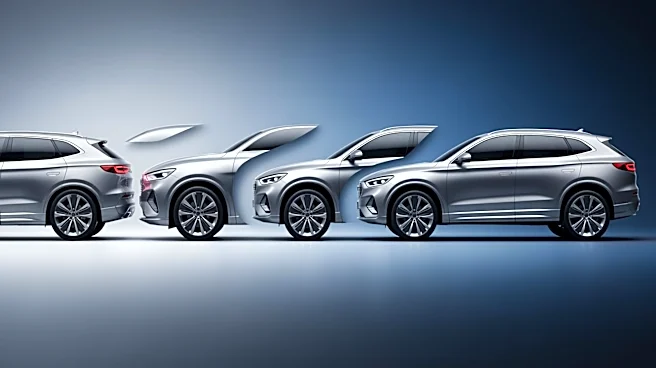

The Hyundai Santa Fe has been a staple in the SUV market since its debut in 2000. Known for its reliability and competitive pricing, the Santa Fe has evolved through five distinct generations, each bringing
new features and design changes. This article explores the journey of the Santa Fe, highlighting the key developments and innovations that have shaped its legacy.
First Generation: The Beginning
The first generation of the Hyundai Santa Fe was introduced in 2000, marking Hyundai's entry into the SUV market. Based on the Hyundai Sonata platform, the Santa Fe was designed to cater to the growing demand for SUVs in the United States. It featured a robust design with a focus on practicality and affordability, which helped it gain popularity among American consumers.
During its initial years, the Santa Fe was equipped with a range of engine options, including both gasoline and diesel variants. The vehicle's design emphasized a sturdy, oblong silhouette with aggressive headlights and large rear lamps. This generation laid the foundation for Hyundai's future success in the SUV segment, becoming the best-selling model for the brand in the U.S.
Second and Third Generations: Expanding Horizons
The second generation of the Santa Fe, launched in 2006, brought significant changes in size and design. It featured a more compact and streamlined appearance, with eliptical headlights and a larger grille. This generation also introduced a third row of seats, enhancing its appeal as a family vehicle.
In 2012, the third generation Santa Fe was unveiled, showcasing Hyundai's new design philosophy, Fluidic Sculpture. This model was larger and more aggressive in styling, with sharp lines and a trapezoidal front air intake. The interior was upgraded with premium materials, offering a more luxurious feel. The third generation also saw the introduction of the Grand Santa Fe, a longer variant with increased passenger and cargo space.
Fourth and Fifth Generations: Modern Innovations
The fourth generation, launched in 2018, continued the trend of innovation with a new design language inspired by the Hyundai Kona. It featured a hexagonal front grille and split-level headlights, providing a modern and distinctive look. The interior was updated with advanced technology, including a large touchscreen display and improved safety features.
In 2023, the fifth generation Santa Fe was introduced, showcasing a bold and angular design. This model emphasized practicality with a spacious interior and increased cargo capacity. It also offered hybrid and plug-in hybrid options, reflecting Hyundai's commitment to sustainability. The fifth generation Santa Fe represents the culmination of two decades of evolution, combining style, functionality, and eco-friendly technology.