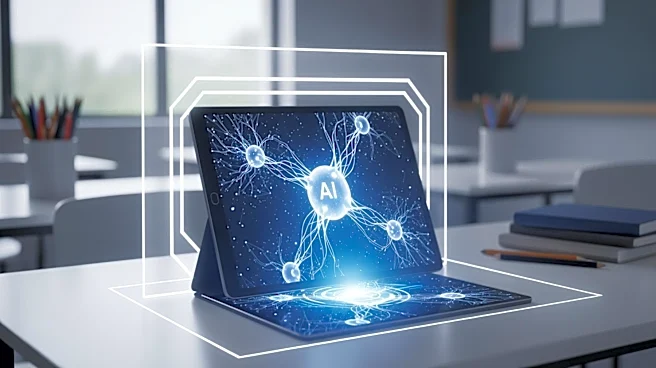








Online tutoring has transformed the educational landscape, offering flexible and accessible learning opportunities. This article delves into the historical development of online tutoring, highlighting key technological advancements that have shaped its evolution. From its inception in the late 1990s to the integration of artificial intelligence, online tutoring has continually adapted to meet the needs of learners worldwide.
Early Beginnings
Online tutoring began to take
shape in the late 1990s with the advent of platforms like Tutor.com, which was founded in 1998. These early platforms provided homework help and subject-based support, marking the beginning of a new era in education. As broadband internet became more widespread in the 2000s, the capabilities of online tutoring platforms expanded significantly. This period saw the rise of services like Chegg Tutors and Wyzant, which offered more personalized and flexible learning experiences.
The early 2010s marked a significant shift towards personalized online learning, with platforms like Khan Academy leading the way. These platforms utilized video content and interactive exercises to engage learners, making education more accessible to a global audience. The focus was on providing learners with the tools they needed to succeed, regardless of their location or background.
Technological Advancements
The COVID-19 pandemic in 2020 accelerated the adoption of online tutoring as schools worldwide shifted to remote learning. This sudden change highlighted the importance of virtual tutoring as a mainstream educational solution. In response, many platforms began integrating advanced technologies to enhance the learning experience. Artificial intelligence, gamification, and adaptive learning engines became common features, allowing for more personalized instruction and scalability.
Platforms like Varsity Tutors and Third Space Learning have embraced AI tutors and assistants to provide tailored learning experiences. These technologies enable tutors to offer real-time feedback and adapt lessons to meet the individual needs of each student. The integration of analytics dashboards also allows educators to track student progress and adjust their teaching strategies accordingly.
The Future of Online Tutoring
As online tutoring continues to evolve, it is poised to play an increasingly important role in education. The use of Web 2.0 applications and multi-user virtual environments is expanding the possibilities for online learning. Social networking and user-generated content are being leveraged to create more interactive and engaging educational experiences.
The future of online tutoring will likely see further advancements in AI and machine learning, providing even more personalized and effective learning solutions. As technology continues to advance, online tutoring will remain a vital tool for educators and learners alike, offering flexible and accessible education to people around the world.