
Cookies, those delightful sweet treats, have a rich history that dates back centuries. Originating in Persia in the 7th century AD, cookies have evolved significantly over time, becoming a staple in many
cultures around the world. This article explores the fascinating journey of cookies from their ancient beginnings to their modern-day variations.
Ancient Beginnings
The history of cookies can be traced back to 7th century AD Persia, where they were first created shortly after sugar became a common ingredient in the region. These early cookies were not the sweet treats we know today but were more like hard wafers that could withstand long journeys. The spread of cookies to Europe occurred through the Muslim conquest of Spain, and by the 14th century, they had become popular across the continent.
In Europe, cookies were enjoyed by all levels of society, from royal courts to street vendors. The first documented instance of figure-shaped gingerbread men was at the court of Elizabeth I of England in the 16th century. She had these gingerbread figures made in the likeness of her important guests, showcasing the cookie's versatility and appeal.
The Rise of the Cookie in America
Cookies made their way to America through Dutch settlers in New Amsterdam in the late 1620s. The Dutch word "koekje," meaning "little cake," was anglicized to "cookie." The earliest reference to cookies in America dates back to 1703, when the Dutch in New York provided 800 cookies at a funeral. This marked the beginning of the cookie's journey in the New World.
The Industrial Revolution in Britain played a significant role in the mass production of cookies. Companies like Huntley & Palmers, McVitie's, and Carr's were established during this time, making cookies more accessible to the masses. The invention of the decorative biscuit tin by Huntley & Palmers in 1831 allowed British cookies to be exported worldwide, further spreading their popularity.
Modern Cookie Variations
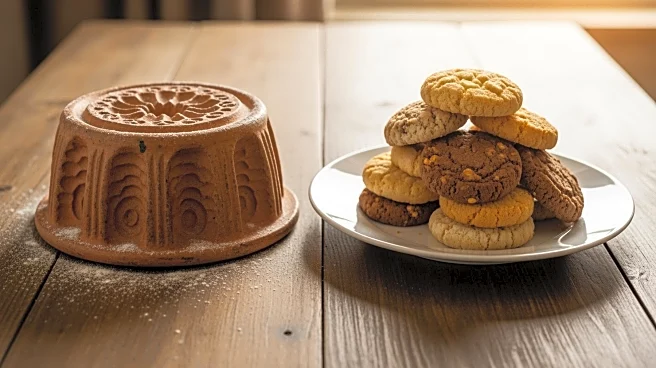
Today, cookies come in a wide variety of styles and flavors, reflecting the diverse cultures that have embraced them. From chocolate chip cookies to oatmeal raisin, the possibilities are endless. Cookies are classified based on how they are made, such as drop cookies, molded cookies, and no-bake cookies, each offering a unique texture and taste.
In addition to traditional cookies, there are now breakfast cookies, lactation cookies, and low-fat diet cookies, catering to different dietary needs and preferences. The cookie's ability to adapt and evolve has ensured its place as a beloved treat worldwide.
The journey of the cookie from its ancient origins to its modern-day variations is a testament to its enduring appeal. Whether enjoyed with a cup of tea or as a sweet snack, cookies continue to bring joy to people of all ages.