


Hair straightening tools have become essential in achieving sleek, straight hairstyles. This article delves into the scientific principles and technological advancements that underpin these tools, offering insights into how they work and their impact on hair.
Understanding the Science of Hair Straightening
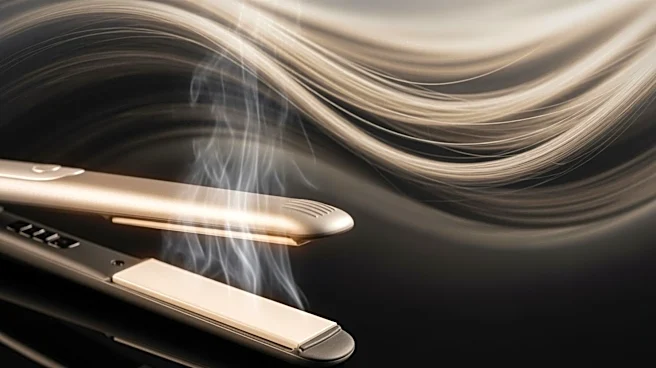
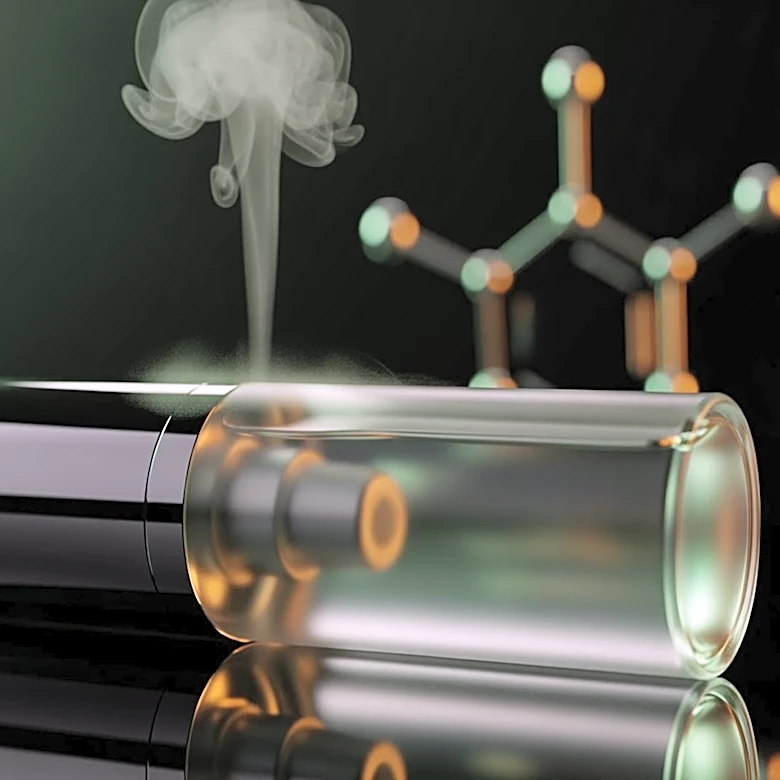
Hair straightening tools, such as flat irons, work by breaking down the positive hydrogen bonds found in the hair's cortex. These bonds cause hair to open, bend, and become curly. By applying
heat, straightening irons break these bonds, preventing hair from holding its original, natural form. However, exposure to moisture can cause the hydrogen bonds to re-form, leading to the return of curls.
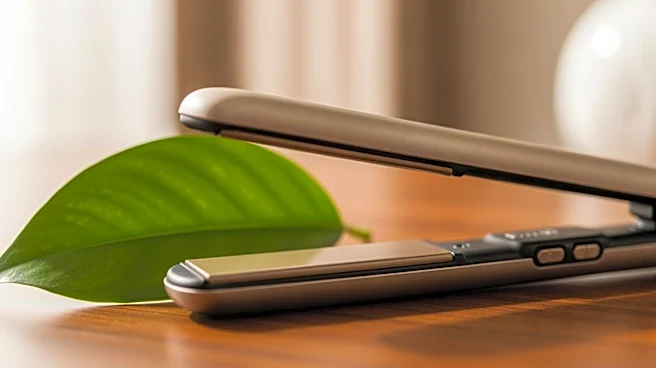
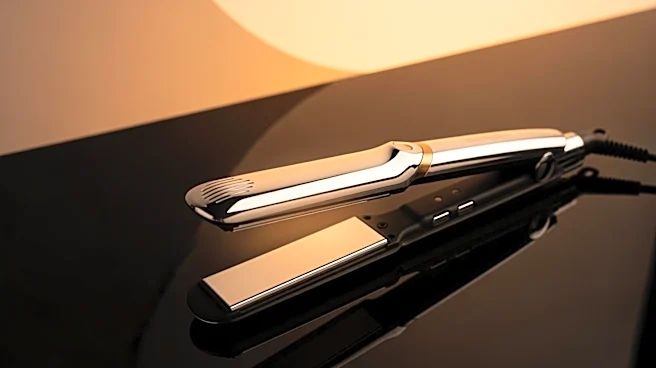
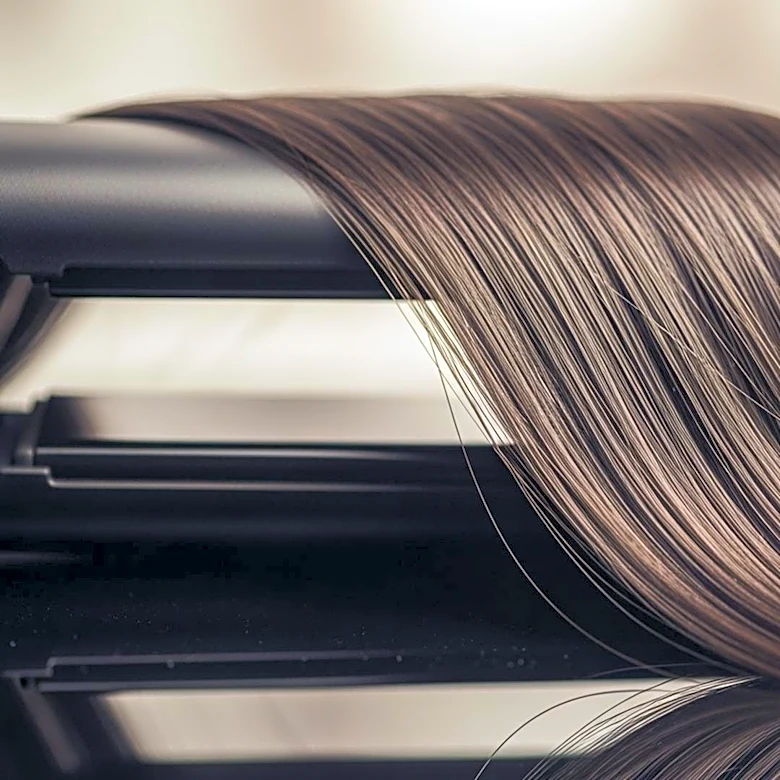
The plates of straightening irons are primarily made of ceramic material, which is known for its ability to distribute heat evenly. Low-end straighteners typically use a single layer of ceramic coating, while high-end models feature multiple layers or even 100% ceramic material. This ensures consistent heat application, reducing the risk of damage and enhancing the effectiveness of the straightening process.
Technological Advancements in Hair Straightening Tools
The evolution of hair straightening tools has seen significant technological advancements. Early systems relied on harsh chemicals that often damaged the hair. The introduction of ceramic and electrical straighteners marked a turning point, allowing for adjustable heat settings and varied straightener sizes.
In 2013, a ceramic hair straightener brush was patented, offering a new approach to hair straightening. This brush features a larger surface area than traditional flat irons, providing a more efficient way to achieve straight hair. The DAFNI brand released the first straightening brush in 2015, showcasing the potential of this innovative tool.
Safety Features and Best Practices
Modern straightening irons are equipped with safety features, such as automatic shut-off mechanisms, to prevent fire accidents. Stylists recommend using heat protectant sprays and keeping the hot iron below 450 degrees Fahrenheit to minimize heat damage.
While hair straightening tools offer convenience and versatility, overuse can lead to severe damage. It is advisable to limit the frequency of use and incorporate hair-repairing shampoos and conditioners to maintain hair health.
The science behind hair straightening tools highlights the intersection of technology and beauty. As advancements continue, these tools offer more effective and safer ways to achieve desired hairstyles, catering to diverse needs and preferences.