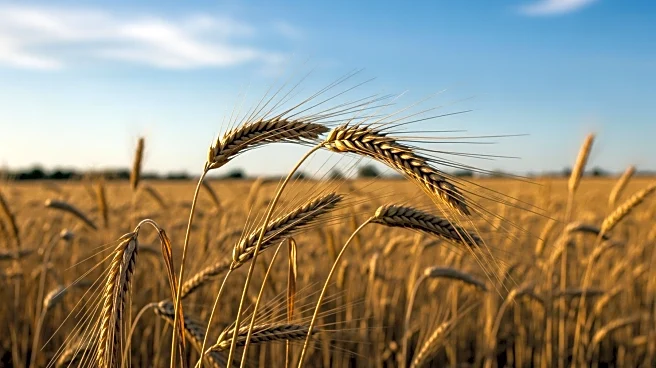



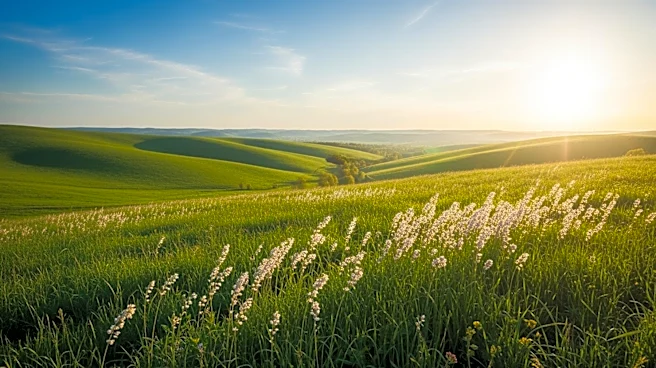

Nebraska is renowned for its robust agricultural sector, which serves as the backbone of the state's economy. With its vast plains and fertile soil, Nebraska is a major producer of beef, pork, maize, and soybeans. This article explores the significance of agriculture in Nebraska, highlighting its contributions to the state's economic development and cultural identity.
The Foundation of Nebraska's Agriculture
Nebraska's agricultural success is rooted in its geography and climate. The state's
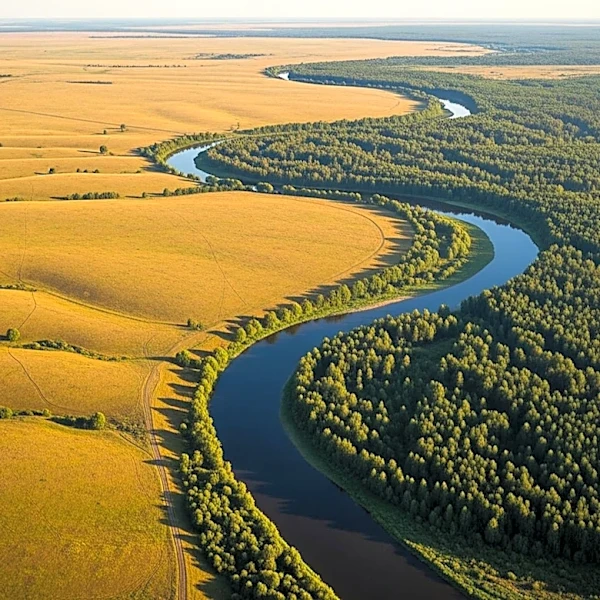
two major land regions, the Dissected Till Plains and the Great Plains, provide ideal conditions for farming and ranching. The Dissected Till Plains, with its gently rolling hills and fertile soil, supports a variety of crops, while the Great Plains offer expansive prairies suitable for cattle grazing.
The development of agriculture in Nebraska was further bolstered by technological advancements and government policies. The Homestead Act of 1862 encouraged settlers to move to Nebraska, offering land to those willing to cultivate it. Innovations such as barbed wire, windmills, and the steel plow enabled farmers to efficiently manage their land and increase productivity.
Economic Impact and Contributions
Agriculture is a driving force in Nebraska's economy, contributing significantly to the state's GDP and employment. The production of beef and pork is particularly notable, with Nebraska ranking among the top states in the nation for livestock production. The state's agricultural output not only meets domestic demand but also supports exports, enhancing Nebraska's economic reach.
The agricultural sector's influence extends beyond farming and ranching. It supports a wide range of related industries, including food processing, transportation, and equipment manufacturing. These industries create jobs and stimulate economic activity, reinforcing agriculture's central role in Nebraska's prosperity.
Cultural Significance and Community
Agriculture is deeply ingrained in Nebraska's cultural identity, shaping the values and traditions of its communities. The state's rural landscape fosters a strong sense of community and cooperation, as farmers and ranchers work together to overcome challenges and achieve common goals.
Events such as county fairs and agricultural exhibitions celebrate Nebraska's farming heritage, bringing together residents to share knowledge and showcase their achievements. These gatherings highlight the importance of agriculture in everyday life and reinforce the bonds that unite Nebraska's rural communities.
Nebraska's agricultural sector is more than just an economic engine; it is a vital part of the state's identity and way of life. From its fertile plains to its thriving communities, agriculture continues to shape Nebraska's present and future, ensuring its place as a leader in the nation's agricultural landscape.