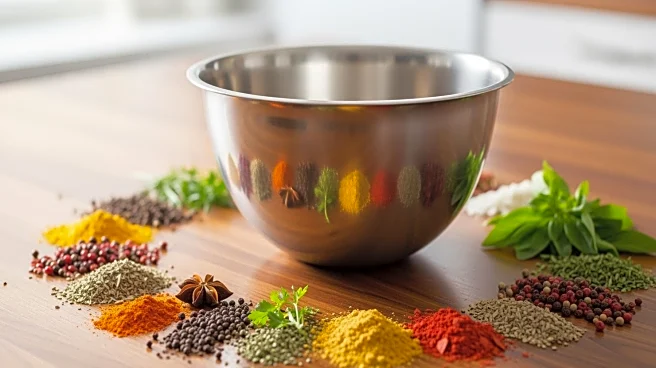



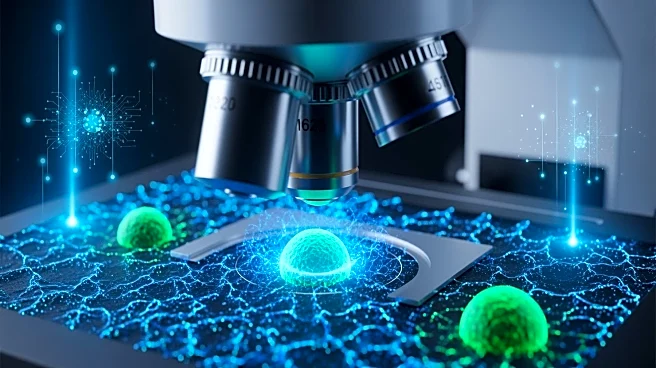
Culinary arts are often seen as a harmonious blend of science and art, where the precision of scientific principles meets the creativity of artistic expression. This unique intersection allows chefs to create dishes that are not only delicious but also visually stunning. In this article, we explore how culinary arts incorporate elements of both science and art to elevate the dining experience.
The Science Behind Culinary Arts
At the heart of culinary arts lies a deep understanding
of food science, nutrition, and diet. Expert chefs must be well-versed in the chemical reactions that occur during cooking, such as the Maillard reaction, which gives browned foods their distinctive flavor. Knowledge of thermodynamics and the behavior of different ingredients under heat is crucial for achieving the desired texture and taste in a dish.
Nutrition also plays a significant role in culinary arts. Chefs must consider the dietary needs and preferences of their diners, balancing flavors and nutrients to create meals that are both satisfying and healthful. This scientific approach ensures that dishes are not only appealing to the palate but also beneficial to the body.
The Art of Culinary Presentation
While science provides the foundation for culinary arts, it is the artistic aspect that brings a dish to life. Presentation is a key element in the dining experience, as the visual appeal of a meal can enhance its perceived taste. Chefs use their creativity to arrange ingredients in a way that is aesthetically pleasing, often drawing inspiration from art and nature.
The use of color, texture, and composition in plating is akin to painting on a canvas. Chefs carefully select garnishes and sauces to complement the main components of a dish, creating a harmonious balance that delights the senses. This artistic expression is what sets culinary arts apart from mere cooking, transforming a meal into a work of art.
The Fusion of Science and Art
The fusion of science and art in culinary arts is what makes it a unique and dynamic field. Chefs constantly experiment with new techniques and ingredients, pushing the boundaries of what is possible in the kitchen. This innovative spirit has led to the development of molecular gastronomy, where chefs use scientific tools and methods to create unexpected textures and flavors.
In conclusion, culinary arts are a testament to the power of combining scientific knowledge with artistic creativity. This intersection allows chefs to craft dishes that are not only delicious but also visually captivating, providing diners with an unforgettable experience that engages all the senses.