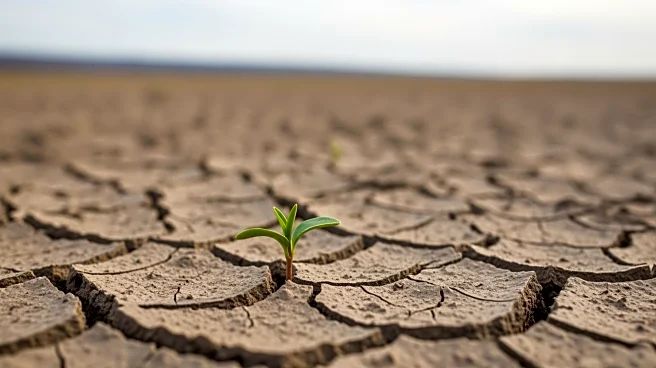




The United States faces a significant challenge in managing invasive species, which threaten native habitats and species. Effective management strategies are crucial to mitigate the economic and ecological impacts of these non-native organisms. The U.S. employs a variety of methods and policies to control invasive species, ranging from prevention to eradication.
Prevention and Regulation
Preventing the entry of potential invasive species is a key focus of U.S. management efforts.
The Lacey Act of 1900, for example, prohibits the importation of species deemed injurious to the environment. The Fish and Wildlife Service (FWS) and the United States Department of Agriculture (USDA) are responsible for enforcing these regulations, identifying potential threats, and implementing quarantine measures.
The USDA's Animal and Plant Health Inspection Service (APHIS) plays a crucial role in preventing the spread of invasive species by inspecting imports and enforcing bans on interstate transport of pests and diseases. These preventive measures are essential to protect sensitive habitats and prevent the establishment of new invasive species.
Control and Eradication Techniques
Once invasive species are established, various control techniques are employed to manage their spread. These methods can be broadly categorized into cultural, mechanical, chemical, biological, and interference with reproduction.
Cultural practices, such as controlled burns and timbering, are used to manage invasive plants like Melaleuca quinquenervia in the Everglades. Mechanical removal involves mowing, harvesting, and manual removal, while chemical control includes the use of pesticides and herbicides. Biological control involves introducing specific predators or diseases to target invasive species without harming native ones.
Public Awareness and Education
Public awareness and education are vital components of invasive species management. The government implements programs to inform the public about the risks associated with invasive species and the importance of compliance with regulations. Signs at boat ramps, campsites, and hiking trails serve as reminders of policies and potential fines for non-compliance.
Educational initiatives also target children and promote volunteer efforts in removal activities. By increasing public awareness, these programs aim to reduce the spread of invasive species and encourage community involvement in management efforts.
In conclusion, the United States employs a comprehensive approach to managing invasive species, combining prevention, control, and public education. These strategies are essential to protect native ecosystems and minimize the economic impact of invasive species. Continued research and innovation in management techniques are necessary to address the evolving challenges posed by invasive species.