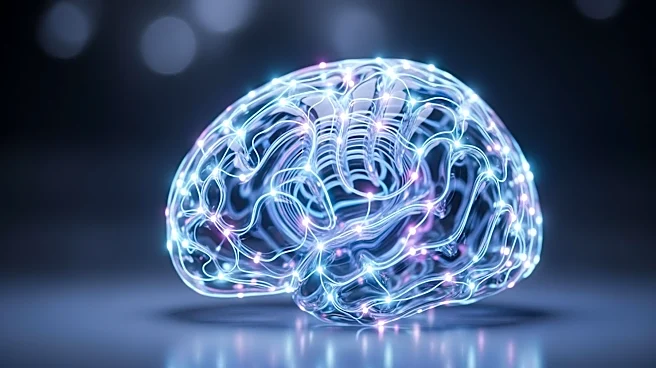







Memory reconsolidation is a groundbreaking concept in neuroscience that reveals how memories, once thought to be stable, can become malleable upon retrieval. This process has been the subject of numerous studies, shedding light on the intricate mechanisms that allow memories to be altered or even erased. Understanding the science behind memory reconsolidation can provide valuable insights into how we might address memory-related disorders and improve
therapeutic practices.
Mechanisms of Memory Reconsolidation
The process of memory reconsolidation begins when a memory is recalled from long-term storage and brought into active consciousness. At this point, the memory becomes destabilized, making it susceptible to change. This destabilization is a critical phase, as it allows for the possibility of modifying the memory before it is reconsolidated and stored again.
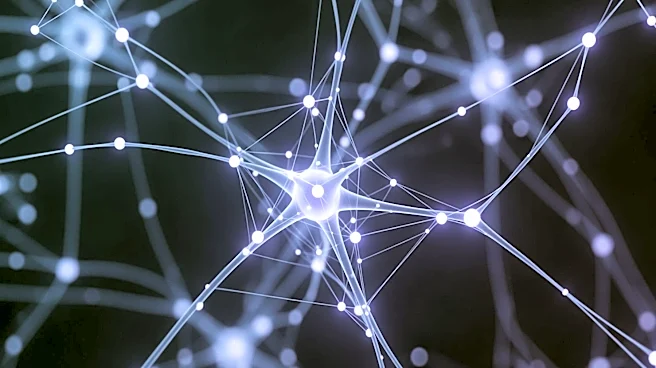
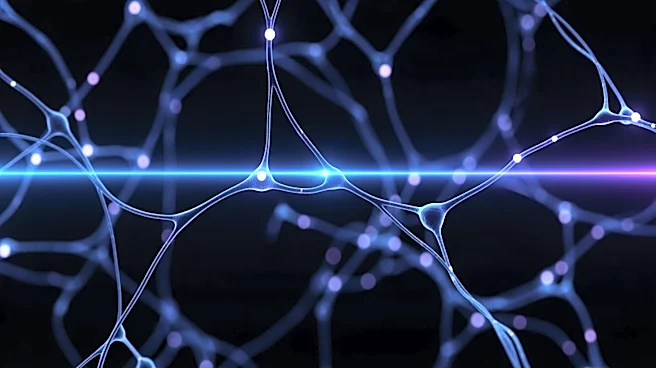
Research has shown that this process involves complex neural mechanisms, including changes in synaptic connections and protein synthesis. These changes are essential for the memory to be updated or altered. The reconsolidation process is not uniform for all memories; some memories, particularly those that are strongly reinforced, may resist reconsolidation initially but can become open to modification over time.
Studies and Experiments on Memory Reconsolidation
Numerous studies have explored the phenomenon of memory reconsolidation, providing evidence for its existence and potential applications. Experiments with animals, such as rats navigating mazes, have demonstrated that reactivated memories are more susceptible to manipulation than newly formed ones. These findings suggest that reconsolidation could be a powerful tool for altering memories in both positive and negative ways.
In humans, research has focused on how environmental factors and external stimuli can influence the reconsolidation process. For example, recalling a traumatic memory in a safe and supportive environment can weaken its emotional impact, offering potential therapeutic benefits for individuals with PTSD or other anxiety disorders.
Potential Applications and Future Research
The study of memory reconsolidation is still in its early stages, but its potential applications are vast. By harnessing the mechanisms of reconsolidation, therapists may be able to help patients modify their emotional responses to certain memories, reducing the distress associated with traumatic experiences. This approach could revolutionize the treatment of memory-related disorders and improve the quality of life for many individuals.
As research continues, scientists aim to uncover more about the specific neural pathways and molecular processes involved in memory reconsolidation. This knowledge could lead to the development of targeted interventions that enhance the therapeutic potential of reconsolidation, offering new hope for those struggling with the burden of unwanted memories.