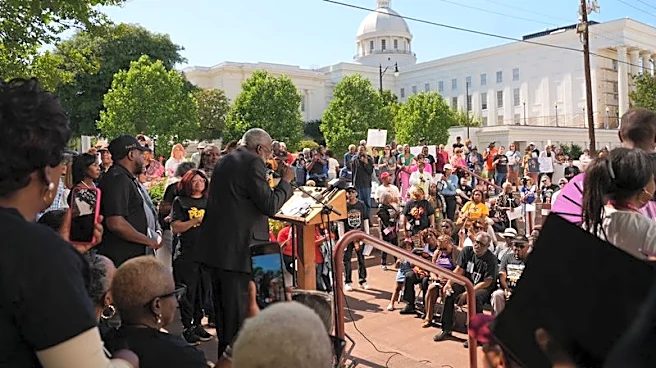






Resurrection City was a temporary settlement established on the Washington Mall in 1968 as part of the Poor People's Campaign. This tent city became a powerful symbol of protest, highlighting the struggles of impoverished Americans and their demand for economic justice. Despite its short-lived existence, Resurrection City played a crucial role in bringing attention to the issues of poverty and inequality in the United States.
The Birth of Resurrection City
Resurrection City was
born out of the Poor People's Campaign, organized by Martin Luther King Jr. and the Southern Christian Leadership Conference (SCLC). The campaign aimed to address economic injustice and advocate for the rights of marginalized communities. Resurrection City was established as a physical manifestation of the campaign's goals, providing a space for participants to gather and make their voices heard.
The tent city housed around 3,000 people who had traveled from across the country to participate in the campaign. These residents lived in makeshift tents, enduring harsh conditions to draw attention to their plight. Resurrection City served as a focal point for the campaign, symbolizing the determination and resilience of those fighting for economic justice.
Life in Resurrection City
Life in Resurrection City was challenging, with residents facing difficult living conditions. The tent city was plagued by issues such as inadequate sanitation and limited access to food and water. Despite these hardships, the residents remained committed to their cause, using their presence to highlight the urgent need for change.
The community in Resurrection City was diverse, with people from various backgrounds coming together to demand better living conditions and economic opportunities. This unity was a testament to the power of collective action and the importance of solidarity in the fight for social justice. The residents of Resurrection City demonstrated that, despite their differences, they shared a common goal of achieving economic equality.
The Impact of Resurrection City
Although Resurrection City was dismantled after six weeks, its impact was significant. The tent city brought national attention to the issues of poverty and economic injustice, forcing policymakers to confront these challenges. It served as a catalyst for discussions on how to address systemic inequality and improve the lives of marginalized communities.
Resurrection City also left a lasting legacy, inspiring future movements and initiatives aimed at combating poverty and promoting social justice. Its existence demonstrated the power of protest and the importance of making visible the struggles faced by impoverished Americans. Resurrection City remains a symbol of the ongoing fight for economic justice and equality.