








Empathy is a fundamental human ability that allows individuals to understand and share the feelings of others. It is a complex construct that involves both cognitive and emotional components, enabling people to perceive and respond to the emotional states of those around them. This article delves into the intricacies of empathy, examining its definition, components, and significance in human interactions.
Cognitive and Affective Components
Empathy is generally described as the capacity
to perceive another person's perspective, to understand, feel, and possibly share and respond to their experience. It encompasses a broad range of phenomena, including caring for other people and having a desire to help them, experiencing emotions that match another person's, and discerning what another person is thinking or feeling. Cognitive empathy refers to the ability to understand or recognize the emotions another person is experiencing, while affective empathy involves actually feeling or sharing those emotions yourself.
The ability to imagine oneself as another person is a sophisticated process, yet the basic capacity to recognize emotions in others may be innate and achieved unconsciously. Empathy exists on a spectrum, and individuals can be more or less empathetic toward others. Empirical research supports a variety of interventions that can improve empathy, highlighting its importance in social interactions and relationships.
Empathy in Neuroscience
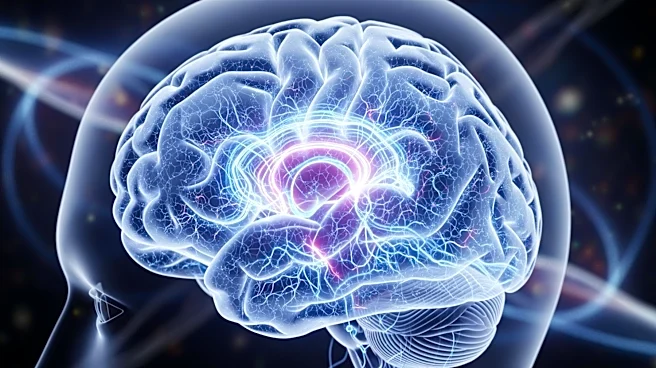
Contemporary neuroscience offers insights into the neural basis of empathy. Studies of mirror neurons attempt to measure the neural basis for human mind-reading and emotion-sharing abilities, thereby explaining the basis of the empathy reaction. People who score high on empathy tests have especially busy mirror neuron systems, indicating a spontaneous sharing of affect provoked by witnessing and sympathizing with another's emotional state.
Empathy involves two interconnected elements: cognitive empathy, which is understanding or recognizing the emotions another person is experiencing, and affective empathy, which refers to actually feeling or sharing those emotions yourself. This distinction is vital because empathy is associated with the moral emotion sympathy, or empathic concern, and consequently also prosocial or altruistic action.
Empathy's Role in Human Interaction
Empathy plays a crucial role in negotiating interpersonal decisions, which are as important to survival as navigating the physical landscape. Paradigmatically, a person exhibits empathy when they communicate an accurate recognition of the significance of another person's ongoing intentional actions, associated emotional states, and personal characteristics in a manner that seems accurate and tolerable to the recognized person.
Acknowledging subjective experiences highlights the need for balance and understanding when engaging in empathy. Empathy is not characterized by aversion to another's emotional response, unlike personal distress. This nuanced perspective assists in understanding complex human emotions and interactions, emphasizing the importance of empathy in fostering positive relationships and social cohesion.