





Costume designers play a crucial role in the entertainment industry, crafting the visual identity of characters in films, stage productions, and television shows. Their work involves more than just creating outfits; it requires a deep understanding of character development, storytelling, and collaboration with other creative professionals. This article explores the responsibilities and creative processes of costume designers, highlighting their impact
on the visual storytelling of film and theater.
Crafting Characters Through Costumes
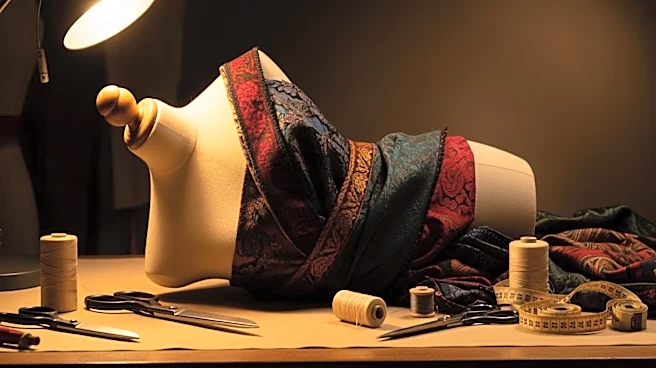
At the heart of a costume designer's work is the creation of characters' outfits that reflect their personalities, social status, and the narrative's time period. Designers use their artistic skills to enhance a character's personality and contribute to the plot's visual evolution. This involves selecting appropriate textures, colors, and styles that align with the director's vision and the overall production design.
Costume designers must also consider the practical aspects of their creations. Garments need to be durable and allow actors to move freely, especially in productions with extended runs or films with long shooting schedules. The designer's ability to balance aesthetics with functionality is essential in ensuring that costumes support the actors' performances without hindering their movements.
Collaboration and Creative Processes
Costume designers work closely with directors, scenic designers, lighting designers, and other creative personnel to ensure that all elements of a production harmonize visually. This collaboration extends to hair stylists, wig masters, and makeup artists, as costumes often need to complement other aspects of a character's appearance.
In European theater, the role of the costume designer may differ, as theater designers often handle both costume and scenic elements. Regardless of the setting, designers must possess a strong understanding of historical costuming, textiles, and fashion history to create authentic and believable costumes. Their creativity and attention to detail are vital in bringing characters to life on screen and stage.
The Impact of Costume Design on Storytelling
Costume design is an integral part of visual storytelling, influencing how audiences perceive characters and their journeys. Iconic costumes can become synonymous with the characters they represent, leaving a lasting impression on viewers. For example, Edith Head, a renowned film costume designer, won multiple Academy Awards for her work, showcasing the significant impact of costume design on cinematic history.
In conclusion, costume designers are essential contributors to the entertainment industry, using their artistic talents to shape the visual narrative of films and theater productions. Their ability to create memorable and meaningful costumes enhances the storytelling experience, allowing audiences to connect with characters on a deeper level.