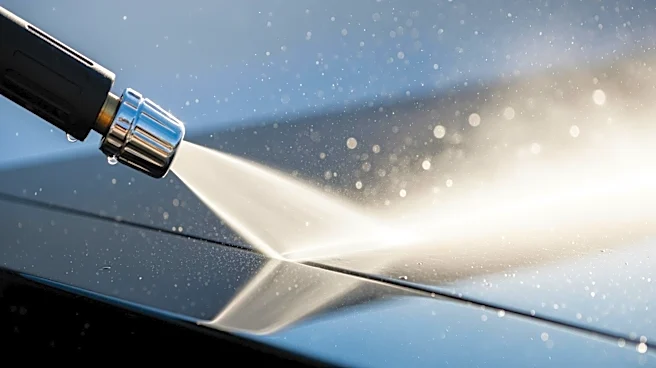





Pressure washing, also known as power washing, is a powerful cleaning method that uses high-pressure water spray to remove dirt, grime, mold, and loose paint from surfaces. While effective, pressure washing requires careful handling and adherence to safety precautions to prevent injury and damage.
Understanding Pressure Washer Safety
Pressure washers are capable of producing water pressures ranging from 750 to 30,000 psi, making them potentially hazardous if not used correctly. The high-pressure
water spray can cause injury to the user and passersby, as well as damage surfaces if not properly controlled. It is essential to understand the equipment and follow safety guidelines to ensure safe operation.
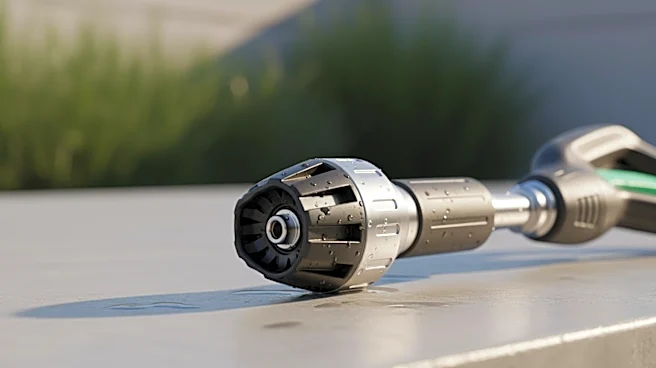
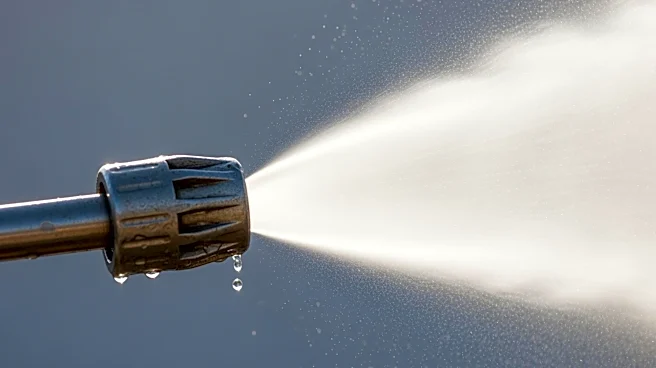
One of the key safety measures is the proper use of nozzles. Nozzles are color-coded to indicate the spray angle, with black nozzles providing the widest angle and red nozzles offering the narrowest. The 0° nozzle, which produces a concentrated stream, should be used with caution, as it can cause injury and damage surfaces. Users should select the appropriate nozzle for the task and maintain a safe distance from the surface being cleaned.
Precautions for Safe Pressure Washing
Before starting a pressure washing task, it is important to inspect the equipment and ensure it is in good working condition. Check hoses, connections, and the unloader valve for any signs of wear or damage. Additionally, users should wear protective gear, such as gloves, goggles, and sturdy footwear, to protect against potential hazards.
When pressure washing, it is crucial to be aware of the surroundings and avoid directing the spray towards people, animals, or delicate surfaces. Users should also be cautious when working on ladders or elevated areas, as the force of the water can cause instability. It is advisable to work on stable ground and use extension wands to reach higher areas safely.
Advanced Safety Measures in Pressure Washing
High-pressure water jetting, also known as hydrojetting, involves significantly higher pressures and requires special precautions for safety. This method is used in industrial applications and can be hazardous if not handled correctly. Operators should be trained in the use of hydrojetting equipment and follow strict safety protocols to prevent accidents.
Surface cleaners, which consist of rotating bars with high-pressure jets, offer a safer alternative for cleaning large flat surfaces. These devices create a uniform cleaning pattern and reduce the risk of injury by confining splashback and debris. Larger models may have casters for easy movement, while smaller versions use plastic bristles to maintain clearance.
Pressure washing is an effective cleaning method, but it requires careful handling and adherence to safety precautions. By understanding the equipment and following safety guidelines, users can ensure a safe and successful pressure washing experience.